
Anxiety Residential Treatment in Connecticut
Structured Support When Anxiety Has Taken Over Daily Life
Anxiety can make even ordinary parts of life feel difficult to manage. When worry, panic, fear, or avoidance begin interfering with work, relationships, sleep, self-care, or the ability to leave home, weekly outpatient therapy may no longer provide enough support.
Elevate Health and Wellness offers residential anxiety treatment for adult women in Clinton, Connecticut. Our all-female program provides 24-hour structure, individualized therapy, psychiatric care, medication management, and practical skills support.
If outpatient therapy, medication, or intensive outpatient care has not improved daily functioning, residential treatment may offer the stability and clinical support needed to move forward. Anxiety may also be connected to unresolved trauma or post-traumatic stress (PTSD), making trauma-focused care an important part of treatment.

When Anxiety Becomes Overwhelming
Anxiety is a normal response to stress, uncertainty, or danger. An anxiety disorder is different. The fear or worry does not simply pass when the stressful moment is over. It may continue across situations, become more intense over time, and begin shaping how a person lives.
For some women, anxiety causes constant worry, panic attacks, physical symptoms, avoidance, or difficulty managing daily responsibilities. These symptoms may overlap with trauma-related conditions such as PTSD, especially when someone remains on alert after a traumatic experience.
Anxiety may affect:
- Work, school, or the ability to complete daily tasks
- Relationships and the willingness to spend time with others
- Sleep, appetite, concentration, and physical wellbeing
- Driving, shopping, traveling, or leaving home
- Decision-making and confidence
- The ability to tolerate uncertainty, conflict, or change
- Reliance on alcohol, medications, or other substances to cope
- Being present and emotionally available for your children or participating in everyday parenting responsibilities
When anxiety has significantly disrupted daily life and outpatient care is not enough, residential treatment may help. If trauma or PTSD contributes to anxiety, treatment should address both the anxiety and its underlying causes. Seeking more support is not a failure, it is a step toward recovery.
Signs Residential Treatment for Anxiety May Help
Residential anxiety treatment may be considered when symptoms are significantly interfering with daily functioning or when progress has been difficult to maintain in a less structured setting.
It may be time to explore residential care if you or someone you love is:
- Experiencing frequent panic attacks or persistent fear of another attack
- Avoiding work, school, relationships, appointments, or everyday activities
- Unable to sleep consistently because of worry, hypervigilance, or racing thoughts
- Struggling to eat, care for yourself, or maintain a daily routine
- Feeling physically unwell because of ongoing anxiety symptoms
- Becoming increasingly isolated or unable to leave home
- Cycling through repeated crises despite outpatient therapy or medication
- Using alcohol, benzodiazepines, or other substances to manage anxiety
- Living with anxiety alongside depression, trauma, PTSD or post-traumatic stress, a mood disorder, or another mental health condition
- Needing coordinated psychiatric and therapeutic support in one setting
Residential treatment is not the same as emergency psychiatric hospitalization. If someone is in immediate danger or experiencing a life-threatening emergency, call 911 or 988. Residential care is designed for people who are medically stable but need more support than outpatient therapy or IOP can provide.
Our admissions team can help you understand the available levels of care and determine whether Elevate’s women’s residential program may be an appropriate fit.
Anxiety Disorders We Treat
Anxiety does not look the same for every woman. Our clinical team evaluates the full picture, including symptoms, history, current functioning, physical health, medications, trauma, and any co-occurring mental health or substance use concerns.
Our residential program may support women experiencing:
Generalized Anxiety Disorder
Generalized anxiety disorder can involve persistent, difficult-to-control worry across many parts of life. A person may feel tense, restless, exhausted, irritable, or unable to concentrate, even when there is no immediate crisis.
Panic Disorder
Panic disorder involves recurring panic attacks and ongoing fear about when another attack may happen. Physical sensations such as a racing heart, shortness of breath, dizziness, trembling, nausea, or chest discomfort can feel frightening and may lead to significant avoidance.
Social Anxiety Disorder
Social anxiety can make conversations, work responsibilities, group settings, eating in public, or being observed feel intensely threatening. Over time, avoidance may affect relationships, employment, education, and self-confidence.
Phobias and Severe Avoidance
Specific fears can become so strong that they restrict daily life. Treatment may focus on understanding avoidance patterns, learning to tolerate distress safely, and gradually rebuilding confidence.
Anxiety Related to Trauma and PTSD
Women with trauma histories may experience hypervigilance, intrusive thoughts, physical reactions, difficulty trusting others, or a persistent sense of danger. These symptoms may be associated with PTSD. When anxiety is trauma-related, treatment addresses both the anxiety and its underlying causes in a safe, carefully paced manner.
Anxiety With Depression or Mood Instability
Anxiety commonly occurs alongside depression, bipolar disorder, emotional dysregulation, or other mental health concerns. Our team develops an integrated plan rather than treating each symptom in isolation.
What Residential Anxiety Treatment Includes
Residential care gives women the opportunity to step away from the patterns and pressures that may be reinforcing anxiety while receiving consistent clinical support throughout the day. Treatment is individualized, and no two care plans are exactly alike.
At Elevate, residential anxiety treatment may include:

Comprehensive Clinical Assessment
Treatment begins with a careful evaluation of your symptoms, mental health history, medications, previous treatment experiences, physical health, daily functioning, and personal goals. This helps the team understand not only what you are experiencing, but also what has maintained the anxiety and whether trauma or post-traumatic stress may be contributing to your symptoms and what support may be most useful.

Individualized Treatment Planning
Your treatment plan is developed with you and adjusted as your needs and progress become clearer. The goal is not to force every woman through the same program. It is to provide the right combination of therapies, psychiatric support, structure, and skill building for your situation.

Individual and Group Therapy
Individual sessions provide time to understand symptoms, patterns, fears, and personal goals. Structured group therapy offers opportunities to learn new skills, practice them with support, connect with other women, and reduce the isolation that often grows around severe anxiety.

On-Site Psychiatric Care and Medication Management
Our on-site psychiatrist and nurse practitioners are available for evaluation, medication management, and ongoing monitoring. Psychiatric care is coordinated directly with the therapy team so treatment decisions are informed by the full clinical picture.

Daily Skills Practice
Anxiety treatment cannot happen only during a therapy hour. A residential setting creates repeated opportunities to notice triggers, practice coping strategies, tolerate discomfort, communicate needs, and build more consistent routines with support nearby.

Planning for Continued Care
Discharge planning begins well before the end of a residential stay. Because Elevate offers residential, intensive outpatient, therapy, and medication management services, women may be able to step down into continued care without starting over with an entirely new team.
Therapeutic Approaches for Anxiety
Anxiety treatment is most effective when it is tailored to the individual. Our clinicians draw from evidence-based and trauma-informed approaches based on each woman’s diagnosis, needs, readiness, and treatment goals.
Cognitive Behavioral Therapy (CBT)
CBT helps people understand how thoughts, physical sensations, emotions, and behaviors interact. Treatment may focus on identifying unhelpful patterns, evaluating anxious predictions, changing avoidance behaviors, and building more flexible responses to fear and uncertainty.
Dialectical Behavior Therapy (DBT)
DBT teaches practical skills in mindfulness, emotional regulation, distress tolerance, and interpersonal effectiveness. These skills can be especially helpful when anxiety leads to intense emotional reactions, impulsive coping, conflict, or difficulty returning to a calmer state.
Gradual Exposure and Behavioral Practice
Avoidance often brings short-term relief while making anxiety stronger over time. When clinically appropriate, treatment may include carefully planned, gradual practice facing feared sensations or situations. This work should be collaborative, paced, and supported. It is not about overwhelming someone or forcing confrontation before she is ready.
Mindfulness-Based Approaches
Mindfulness can help women notice anxious thoughts and physical sensations without immediately reacting to them. Breathing, grounding, movement, journaling, and sensory activities may also support nervous system regulation and present-moment awareness.
Trauma-Informed Care
When anxiety is connected to trauma, safety and pacing matter. Trauma-informed care recognizes that avoidant, guarded, or reactive behaviors may have developed as protective responses. For women with PTSD or other trauma-related symptoms, this approach helps connect past experiences with current anxiety.
Trauma-Informed Support in an All-Female Environment
Many women enter treatment after years of trying to appear capable while struggling privately. Some have experienced relational trauma, childhood trauma, medical trauma, or previous treatment settings where they did not feel heard.
Elevate’s residential program is exclusively for adult women. Therapy groups, shared living spaces, and daily programming take place in an all-female environment. For women whose anxiety is connected to safety, trust, relationships, or past experiences with men, this setting may make it easier to engage openly in treatment.
Trauma-informed care does not mean every woman must immediately discuss painful experiences in detail. It means the clinical team pays careful attention to emotional safety, consent, pacing, triggers, and the ways past experiences may influence present symptoms.
Anxiety and Co-Occurring Conditions
Severe anxiety rarely exists in a vacuum. It may occur alongside depression, trauma or PTSD, personality disorders, mood instability, sleep disruption, chronic stress, or substance use.
Some women begin using alcohol, benzodiazepines, cannabis, or other substances to quiet racing thoughts, reduce panic, fall asleep, or feel more comfortable in social situations. What begins as an attempt to cope can eventually make anxiety more difficult to manage and create an additional substance use concern.
Elevate provides integrated treatment for women with co-occurring mental health and substance use disorders. One coordinated clinical team addresses both conditions together through a shared treatment plan.
Learn more about Women’s Dual Diagnosis Treatment in Connecticut.
What Daily Life in Treatment Looks Like
Structure is an important part of residential anxiety treatment. When anxiety has disrupted sleep, meals, self-care, work, or social connection, a consistent daily rhythm can create space for the nervous system to settle and for new skills to become more familiar.
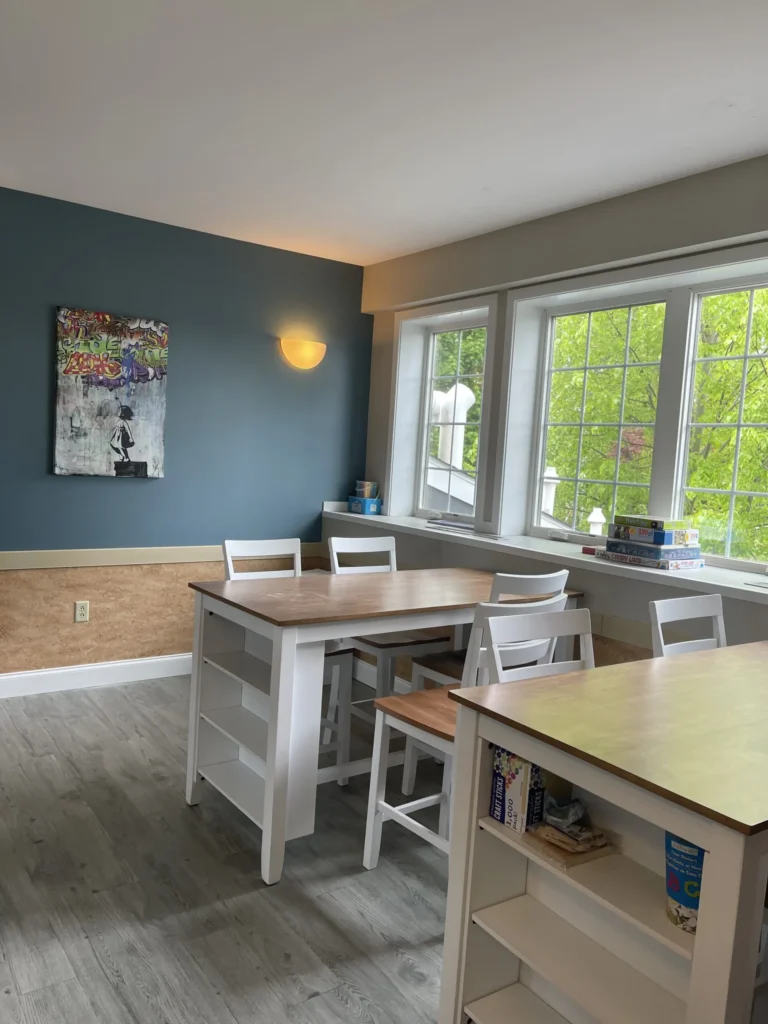
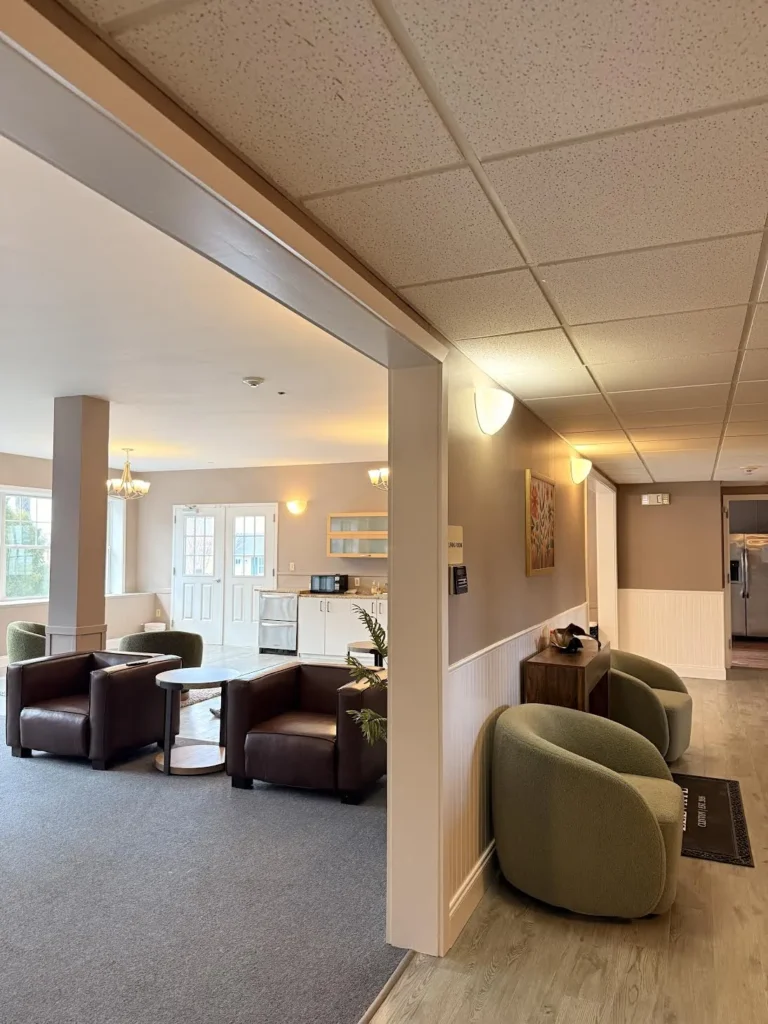
At our Clinton, CT location, days are calm and purposeful. Women participate in scheduled therapeutic programming throughout the day, with time for meals, rest, reflection, connection, and appropriate movement. The setting is home-like rather than institutional.
Daily treatment may include:
- Individual therapy
- Structured group therapy
- Skills practice using CBT and DBT principles
- Psychiatric appointments and medication support
- Mindfulness, grounding, and emotional regulation activities
- Movement, art, journaling, and mind-body activities
- Support with routines, boundaries, communication, and self-advocacy
- Planning for life after residential treatment
The goal is not to remove every anxious feeling. It is to help women understand anxiety, respond to it differently, understand whether trauma or post-traumatic stress is contributing to their symptoms, rebuild daily functioning, and leave treatment with a clearer plan for continued care.
Transition Planning and Ongoing Support
Returning home after residential treatment is a transition, not an endpoint. Our team begins planning for continued care while treatment is still underway.
Depending on clinical needs, aftercare may include:
- Elevate’s adult mental health Intensive Outpatient Program
- Individual therapy
- Medication management and psychiatry
- Family support or education
- Coordination with established outside providers
- A structured plan for coping with triggers and early warning signs
Elevate’s continuum of care allows many clients to move from residential support into a lower level of treatment while maintaining clinical coordination. This can make the next step feel more connected and less like beginning again.
Admissions Process
Our admissions team is available to answer questions, verify insurance benefits, and help determine whether residential anxiety treatment may be the right level of care.
Step 1: Call or submit an inquiry.
Call (203) 450-4882, email admissions@elevatehwct.com, or submit a request for admissions information online.
Step 2: Confidential Clinical Assessment
A member of our team will learn about your current symptoms, treatment history, safety, functioning, and goals. This assessment helps determine whether residential care is appropriate or whether another level of care would better meet your needs.
Step 3: Insurance Verification
Our team will review your benefits and explain the coverage and financial information available to us before admission.
Step 4: Intake and Arrival
If the program is an appropriate fit, we will coordinate timing and guide you through the intake process step by step.
Insurance and Payment Information
Elevate’s Women’s Residential Mental Health Program is currently in-network with several insurance providers for residential-level mental health treatment. Coverage varies by plan, clinical need, and authorization requirements.
Because insurance participation can change, please call our admissions team at (203) 450-4882 to verify your current benefits and discuss financial options before beginning care.
Questions about out-of-network benefits? Contact our Billing Department at 475-673-1007 or billing@elevatehwct.com.
Ready to Take the First Step?
You do not need to know exactly what level of care you need before reaching out. Our admissions team can listen, answer questions, and help you understand the next appropriate step.
Call (203) 450-4882 or request admissions information online to begin a confidential conversation.
Frequently Asked Questions
How do I know if anxiety is severe enough for residential treatment?
Residential care may be appropriate when anxiety significantly interferes with daily functioning and outpatient therapy, medication, or IOP has not provided enough support. An admissions assessment can help clarify the appropriate level of care.
What anxiety disorders does Elevate treat?
Elevate may treat adult women experiencing generalized anxiety disorder, panic disorder, social anxiety, severe avoidance, trauma-related anxiety and PTSD, and anxiety occurring alongside other mental health or substance use conditions. Admission depends on each person’s clinical needs and the program’s ability to provide appropriate care.
Is residential treatment the same as psychiatric hospitalization?
No. Inpatient psychiatric hospitalization is generally short-term and focused on immediate safety and acute stabilization. Residential treatment is longer and designed for medically stable individuals who need structured, 24-hour support and more intensive therapeutic work.
How long does residential anxiety treatment last?
Elevate’s residential stays are typically 30 to 45 days. The appropriate length of treatment is determined by the clinical team based on individual needs, progress, and treatment goals.
Is Elevate’s residential program only for women?
Yes. The residential program is exclusively for adult women. This includes therapeutic programming, group therapy, and shared living spaces.
Does treatment include medication management?
Yes. Elevate’s residential program includes access to on-site psychiatric care and medication management coordinated with the therapy team. Medication decisions are individualized and made collaboratively.
Can anxiety and substance use be treated at the same time?
Yes. Elevate offers integrated dual diagnosis treatment for women experiencing both a mental health condition and a substance use disorder. Both concerns are addressed through one coordinated treatment plan.
What happens after residential treatment?
Aftercare is based on individual clinical needs. Women may transition into Elevate’s intensive outpatient program, individual therapy, medication management, or coordinated care with outside providers. Planning begins before discharge.
How do I get started?
Call Elevate’s admissions team at (203) 450-4882, email admissions@elevatehwct.com, or submit the online admissions inquiry form. The first step is a confidential conversation about what is happening and what kind of support may help.
Implementation Notes
Recommended internal links:
Recommended primary keyword: anxiety residential treatment Connecticut
Recommended secondary phrases: residential treatment for anxiety, inpatient anxiety treatment, severe anxiety treatment, anxiety treatment program Connecticut, women’s residential anxiety treatment
Clinical review is recommended before publication, particularly for admissions criteria, diagnoses treated, insurance participation, medication language, PTSD/trauma-related treatment language, and therapeutic a
