Women's Dual Diagnosis Treatment in Connecticut
Mental Health and Addiction Treatment, Addressed Together.
Elevate Health and Wellness offers integrated dual diagnosis treatment for adult women managing both a mental health condition and a substance use disorder. If you or someone you love has struggled to find lasting progress through treatment that only addresses one side of the picture, our program in Connecticut was built for exactly that.

What Is Dual Diagnosis?
Dual diagnosis, also called co-occurring disorders, means having both a mental health condition and a substance use disorder at the same time. Common examples include:
- Depression and alcohol use disorder
- Anxiety and benzodiazepine or alcohol dependence
- PTSD and opioid use disorder
- Bipolar disorder and cannabis or stimulant use
- Borderline Personality Disorder and substance use
These conditions frequently interact. Substances are often used to manage symptoms of anxiety, depression, or trauma. Over time, this can develop into dependence that worsens the underlying mental health condition. The two become intertwined in ways that make both harder to treat if addressed separately.
Why Integrated Treatment Matters
Historically, co-occurring disorders were often treated one at a time. Research has consistently shown this approach produces worse outcomes than treating both conditions simultaneously.
SAMHSA (Substance Abuse and Mental Health Services Administration) identifies integrated dual diagnosis treatment as the evidence-based best practice for co-occurring disorders. This means both conditions are treated concurrently by a single coordinated clinical team.
At Elevate, our clinical team works from one unified treatment plan that covers both conditions. Your psychiatrist, therapists, and clinical support staff communicate directly with one another. There is no handoff between a mental health team and an addiction team. It is one team, treating you as a whole person.
Mental Health and Substance Use Connections
Understanding the relationship between mental health and substance use is a core part of effective dual diagnosis treatment. Common presentations we see in our women’s program include:
Anxiety and Alcohol or Benzodiazepines
Both reduce anxiety in the short term, which makes them common choices for women managing panic, social anxiety, or generalized anxiety. Over time, dependence develops and withdrawal itself becomes an anxiety trigger, creating a cycle that needs to be addressed from both sides.
Depression and Alcohol
Alcohol is a central nervous system depressant. While it may temporarily dull emotional pain, regular use worsens depression over time. For many women, alcohol became a coping strategy that gradually made everything harder.
Trauma and Opioids or Other Substances
Substances can temporarily blunt the emotional pain associated with trauma. For women with unaddressed PTSD or complex trauma, substance use is often a way of managing what otherwise feels unmanageable. It is not a moral failure.
Mood Disorders and Cannabis or Stimulants
Women with bipolar disorder or ADHD sometimes use cannabis or stimulants to manage mood and energy, often without initially recognizing that substance use has become part of the picture.
Residential Dual Diagnosis Treatment Approach
Our clinical team begins with a thorough intake assessment covering your mental health history, substance use, current symptoms, medications, and goals. From there, your individualized treatment plan is built and overseen by the team throughout your stay.

Integrated Treatment Plan
One treatment plan addresses both the mental health and substance use diagnoses simultaneously. Your psychiatrist, therapists, and clinical staff work together and communicate directly with one another throughout your care.
Daily Therapeutic Programming
A typical day includes individual therapy, group therapy, and skills-based sessions. Evidence-based modalities including CBT, DBT, Motivational Interviewing, trauma-informed care, and mindfulness-based approaches are applied according to your individualized plan.

On-Site Psychiatric Care
Our on-site psychiatrist and nurse practitioners are available throughout your stay for medication evaluation, management, and ongoing support, integrated directly with your therapy team.
Relapse Prevention Throughout
Relapse prevention is not a session at the end of treatment. Identifying triggers, building coping strategies, and recognizing warning signs are part of the clinical work from day one.
Typical Length of Stay: 30 to 45 Days
Length of stay is determined collaboratively by your clinical team based on your individual progress and treatment goals.
Step-Down Planning and Aftercare
Because Elevate provides a full continuum of care, you can transition directly into our Intensive Outpatient Program, outpatient therapy, or medication management without starting over with a new provider.
We are currently in-network with Anthem Blue Cross and Blue Shield for residential-level care.
Trauma-Informed Care
Trauma is one of the most significant contributing factors in co-occurring disorders among women. Many women in dual diagnosis treatment have experienced relational, developmental, or other forms of trauma that are central to both the mental health struggle and the substance use.
At Elevate, trauma-informed care is a foundational part of how the entire program operates. This means:
- Your history is approached without judgment
- Pacing and safety are built into every aspect of treatment
- You will not be pushed to process material faster than is clinically appropriate
- Trauma is addressed directly within the treatment plan
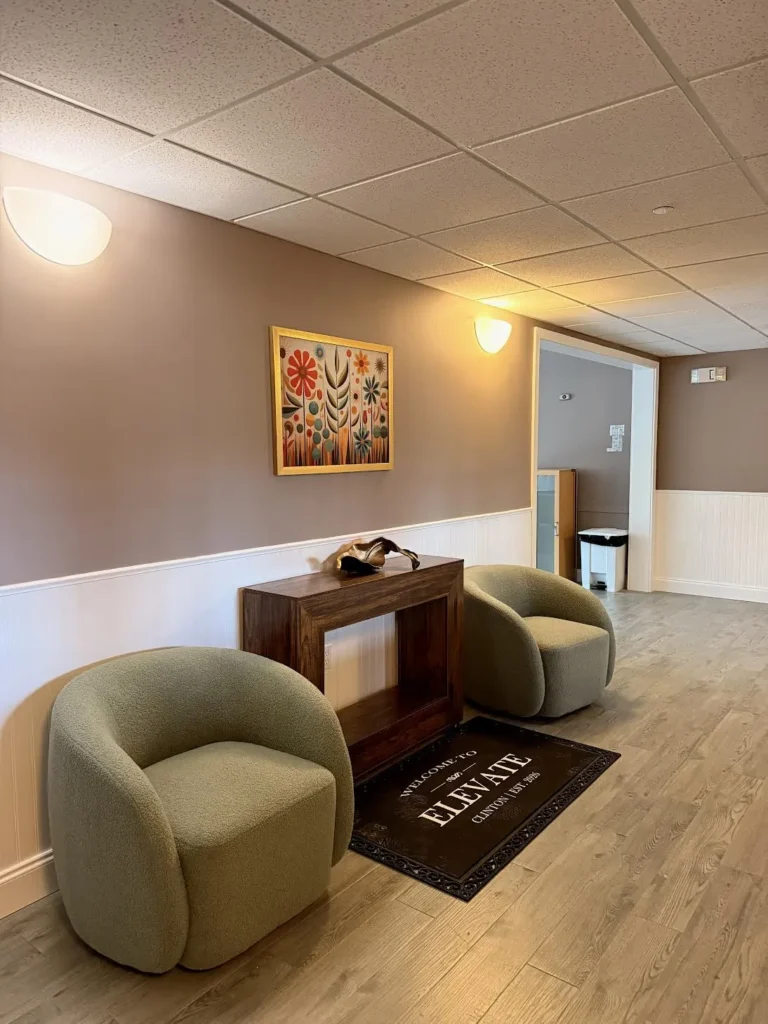
Our all-female environment supports this model. For women who have experienced relational or interpersonal trauma, a women-only setting can reduce significant barriers to engagement and openness in treatment.
Clinical Therapies and Support
Our clinical team has experience and training in the following evidence-based modalities, applied according to each woman’s individualized treatment plan:
Cognitive Behavioral Therapy (CBT)
Helps women identify the thought patterns and behavioral cycles that maintain both mental health symptoms and substance use, and build concrete skills for changing them.
Dialectical Behavior Therapy (DBT)
Effective for emotional dysregulation, trauma, and the interpersonal difficulties often associated with BPD and substance use disorders. DBT skills in distress tolerance and emotional regulation are directly applicable to relapse prevention.
Motivational Interviewing (MI)
A collaborative, non-confrontational approach that helps women work through ambivalence around change. Particularly useful in the early stages of addressing substance use.
Trauma-Informed Therapy
Integrated throughout all care, with focused therapeutic attention to trauma processing where clinically indicated.
Mindfulness-Based Approaches
Builds the capacity to tolerate difficult emotions without avoidance or substance use. A practical skill in long-term recovery.
Group Therapy
Structured group sessions address both mental health and substance use themes. Group therapy reduces isolation, builds accountability, and provides a space to practice skills alongside others.
Medication Management
Our on-site psychiatrist and nurse practitioners provide medication evaluation and ongoing management throughout treatment, including medications that support both mental health stability and, where appropriate, substance use recovery.
Relapse Prevention and Long-Term Recovery
Relapse prevention is part of the clinical work from day one. Identifying triggers, building coping strategies, and recognizing warning signs are ongoing components of care throughout the program.
For women with co-occurring disorders, relapse prevention addresses both sides: the mental health symptoms that can drive substance use and the substance use patterns that can destabilize mental health. Your relapse prevention plan is built around your specific dual diagnosis presentation, not a generic checklist.
Because Elevate offers a full continuum of care, women who complete residential treatment can transition directly into our Intensive Outpatient Program, individual therapy, or medication management without starting over with a new provider.
Family Support and Education
Co-occurring disorders affect the people around you as well. Family members often carry confusion, concern, and exhaustion, and may not fully understand the relationship between mental health and substance use.
Where clinically appropriate, Elevate involves family in treatment through therapy sessions, psychoeducation about dual diagnosis, and discharge planning. Our team can help family members understand how co-occurring disorders work and how to be supportive in a way that is sustainable.
Admissions Process
Our admissions team is available to answer questions, verify insurance, and help determine whether this program is the right fit.
Step 1: Call or submit an inquiry.
Reach our admissions team at (203) 450-4882 or email our director at jhrbek@elevatehwct.com. You can also submit a request online.
Step 2: Confidential clinical assessment.
We will conduct a brief assessment to understand your current situation and determine the appropriate level of care.
Step 3: Insurance verification.
Our team will verify your coverage and walk you through your options.
Step 4: Intake and admission.
We will coordinate your start date and guide you through the intake process.
Insurance and Payment Information
Our Women’s Residential Mental Health Program is currently in-network with the following insurance providers for residential-level mental health treatment:







Our Women’s Residential Mental Health Program is now in-network with Anthem Blue Cross and Blue Shield for residential-level mental health treatment.
At this time, we remain out-of-network with other insurance carriers while additional credentialing is in process. We will continue updating this page as new insurance contracts become active.
Our outpatient programs, including Intensive Outpatient Programs (IOP), therapy services, medication management, and outpatient detox, are in-network with most commercial insurance plans and Connecticut Medicaid (Husky).
Insurance benefits and coverage levels can vary significantly depending on your individual plan and clinical needs. We encourage you to contact our admissions team directly so we can review your situation, discuss available options, and help you understand potential financial pathways for care.
Ready to Take the First Step?
Admissions begins with a confidential clinical assessment. Our team will work with you to determine if this program is the right fit and guide you through every step of the intake process.
Questions about Out of Network Benefits Coverage? Contact our Billing Department at 475-673-1007 or billing@elevatehwct.com
At this time, we remain out-of-network with other insurance carriers while additional credentialing is in process. We will continue updating this page as new insurance contracts become active.
Our outpatient programs are in-network with:
- Most commercial insurance plans
- Connecticut Medicaid (Husky)
These outpatient services include:
- Intensive Outpatient Programs (IOP)
- Therapy services
- Medication management
- Outpatient detox
Insurance benefits and coverage vary based on your individual plan and clinical needs. We encourage you to contact our admissions team so we can verify your benefits, discuss your coverage, and help you understand your financial options for care.
Ready to Take the First Step?
Admissions begins with a confidential clinical assessment. Our team will work with you to determine if this program is the right fit and guide you through every step of the intake process.
Questions about Out of Network Benefits Coverage? Contact our Billing Department at 475-673-1007 or billing@elevatehwct.com
Apply for Care Credit

FAQs
What is dual diagnosis?
Dual diagnosis means having both a mental health condition and a substance use disorder at the same time. It is also called co-occurring disorders.
How common is dual diagnosis?
Very common. According to SAMHSA’s National Survey on Drug Use and Health, millions of adults in the U.S. live with co-occurring mental health and substance use disorders. Among people in substance use treatment, the majority also have a diagnosable mental health condition.
Why is it important to treat both conditions at the same time?
Because they interact with each other. Treating only one side leaves a major driver of the other condition unaddressed. Research consistently shows that integrated, concurrent treatment produces better outcomes than treating one condition then the other.
Does Elevate treat dual diagnosis at the residential level?
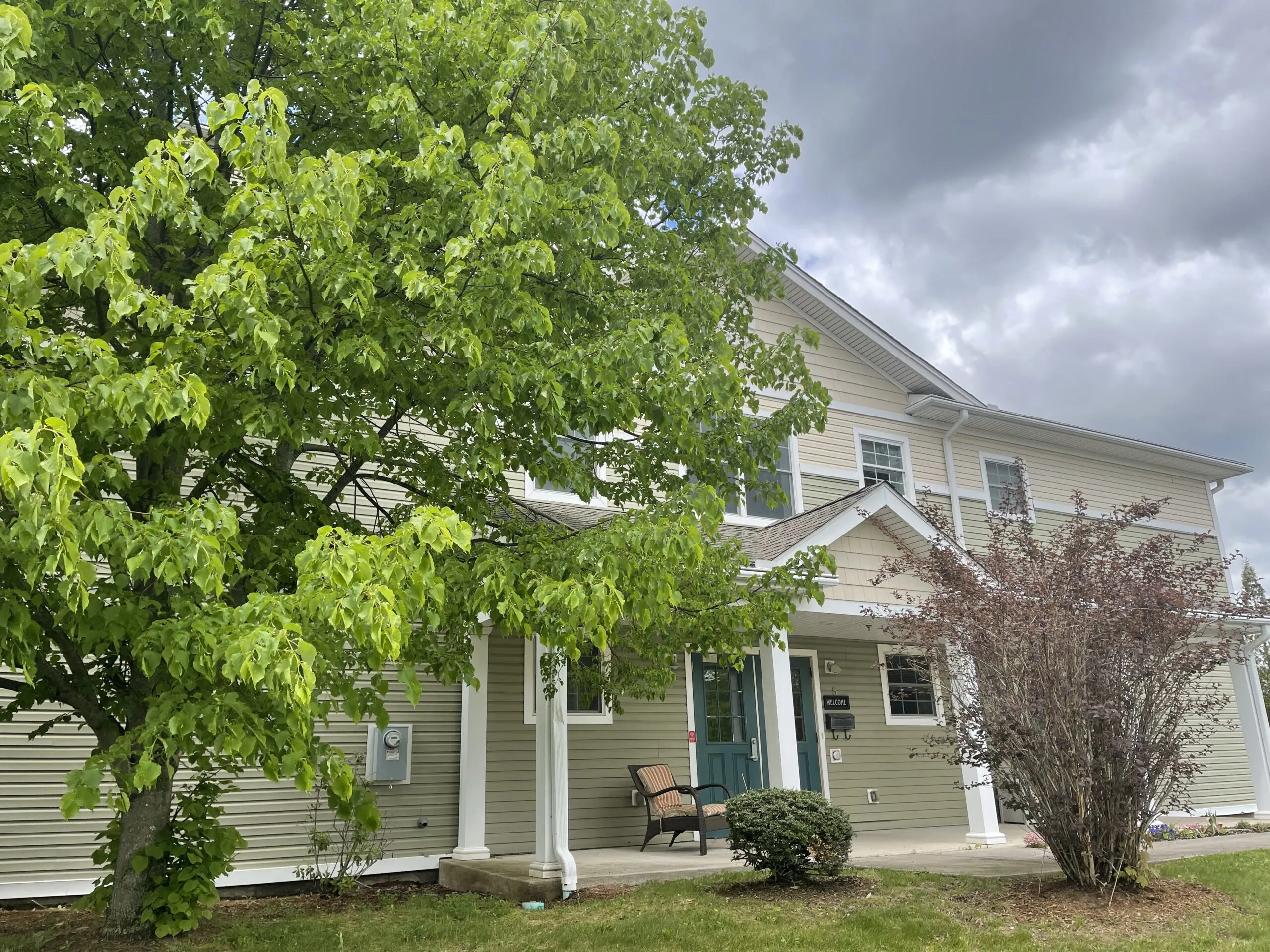
Yes. Our Women’s Residential Mental Health Program in Clinton, CT provides integrated dual diagnosis treatment as part of the residential program.
Is the residential program only for women?
Yes. Our residential program is exclusively for adult women. Our IOP and outpatient programs serve both men and women.
What substances do you treat?
We treat co-occurring disorders involving alcohol, opioids, benzodiazepines, cannabis, stimulants, and other substances. Call us if you are unsure whether your situation qualifies.
Do I need to be sober before entering treatment?
Not necessarily. Our admissions team will assess your current situation and determine the appropriate starting point for care. In some cases, outpatient detox may be part of the intake process. Learn more about our outpatient detox services.
What insurance do you accept?
We are currently in-network with Anthem Blue Cross and Blue Shield for residential treatment. Our IOP and outpatient programs accept most major insurance plans and Connecticut Medicaid. Call our admissions team to verify your specific coverage.
How do I know if I need residential care versus IOP?
Our admissions team can help you assess this. Generally, residential care is appropriate when symptoms are significantly impairing daily functioning and a higher level of structure and monitoring is needed. Learn more about our IOP programs.