Women’s Residential Mental Health Treatment Program in Connecticut
A Place to Heal. Built for Women.
Elevate Health and Wellness is proud to offer a residential mental health program created exclusively for adult women in Clinton, CT. If you or someone you love is struggling with depression, anxiety, trauma, or a mood or personality disorder, and outpatient care has not been enough, this program may be the right fit.
What Is Residential Mental Health Treatment?
Residential mental health treatment is a level of care where a person lives at the treatment facility full-time while receiving structured clinical support throughout the day. It sits above outpatient and intensive outpatient programs (IOP) in intensity, and is typically appropriate when symptoms are significantly impacting daily functioning and a higher level of monitoring and support is needed.
Unlike short-term inpatient psychiatric hospitalization, which is focused on acute stabilization, residential treatment is longer. The typical length of stay is 30 to 45 days, with a focus on deeper therapeutic work rather than crisis management.
Elevate’s women’s residential program is licensed by the Connecticut Department of Public Health and staffed by an interdisciplinary team that includes psychiatrists, psychologists, and licensed therapists. Every woman who enters the program receives a highly individualized treatment plan, developed from the first day and updated as treatment progresses.
Who Our Residential Program Supports
Our women’s residential treatment program is designed for adult women who are experiencing a noticeable decline in their ability to function emotionally, socially, or in daily life, and who would benefit from 24-hour support in a structured therapeutic environment.
Many of the women we treat are:
- Feeling overwhelmed, emotionally exhausted, or not like themselves
- Struggling to keep up with work, relationships, or daily responsibilities
- Experiencing worsening depression, anxiety, or mood instability despite prior treatment
- Moving through a difficult life transition such as divorce, loss, or major change
- Feeling stuck after trying therapy, medication, or a previous treatment program
- Increasingly isolated or withdrawn from the people and things they care about
- Working professionals who appear to have things under control outwardly, but are privately struggling and want to be surrounded by other high-functioning women in treatment
If outpatient care or IOP has not been sufficient, that is not a failure. It is a sign that a more structured level of care may be needed.
Conditions We Treat
Our clinical team has experience treating a wide range of mental health conditions. Many
women present with more than one diagnosis, and our team is trained to treat complex, co-occurring presentations.
-
Depression and Mood Disorders
We treat Major Depressive Disorder, Bipolar Disorder, and Persistent Depressive Disorder. Residential care provides the consistent structure and clinical monitoring needed to stabilize mood and begin responding to treatment effectively. -
Anxiety Disorders
Our program treats Generalized Anxiety Disorder, Panic Disorder, and Social Anxiety Disorder. When anxiety has reached the point where daily functioning is significantly affected, residential treatment provides the level of support that outpatient care alone cannot. -
Trauma and PTSD
Complex trauma, childhood trauma, and relational trauma are among the most common underlying factors in women's mental health challenges. Trauma-informed care runs through every aspect of our program, not just specific sessions. -
Personality and Emotional Regulation Disorders
Women with Borderline Personality Disorder and chronic emotional dysregulation benefit significantly from the consistent, structured environment that residential treatment provides. -
Co-Occurring Disorders (Dual Diagnosis)
Many women in our residential program are managing both a mental health condition and a substance use disorder at the same time. Our clinical team treats both conditions together through a single, integrated treatment plan.
Dual Diagnosis and Co-Occurring Disorders
It is common for mental health conditions and substance use disorders to occur at the same time. Substances like alcohol, opioids, and benzodiazepines are frequently used to manage symptoms of anxiety, depression, or trauma, and over time this can develop into dependence that makes both conditions harder to treat.
This is called dual diagnosis, or co-occurring disorders. Treating only one condition at a time typically produces limited results. Addressing mental health without the substance use, or the substance use without the mental health, leaves a significant part of the clinical picture unaddressed.
At Elevate, our residential program provides integrated dual diagnosis care. Our psychiatrists, therapists, and clinical staff work from a single, coordinated treatment plan that addresses both conditions together. This approach is consistent with best-practice guidelines from SAMHSA (Substance Abuse and Mental Health Services Administration).
What to Expect in Residential Treatment

Psychiatric Care On-Site
Our on-site psychiatrist and nurse practitioners are available throughout your stay for medication evaluation, management, and ongoing support, integrated directly with your therapy team.
Individualized Treatment Plan
From your first day, your care team develops a personalized plan tailored to your specific diagnosis, history, and goals. No two plans are the same.

Daily Therapeutic Programming
A typical day includes individual therapy, group therapy, and skills-based sessions. Treatment modalities include CBT, DBT, trauma-informed care, and mindfulness-based approaches.

Typical Length of Stay: 30–45 Days
Length of stay is determined collaboratively by your clinical team based on your individual progress and treatment goals.
Step-Down Planning & Aftercare
Because Elevate provides a full continuum of care, you can transition directly into our Intensive Outpatient Program, outpatient therapy, or medication management without starting over with a new provider.
How the Program Works: Five Stages of Daily Care
Every day in the program moves through five stages, each one building on the last. This structure gives women a clear path forward, not just a list of therapy sessions.
1. Emotional Regulation and Coping Skills
The day starts here. Women learn to understand difficult emotions and build real coping skills using proven methods like DBT and CBT. This stage also works on breaking habits that get in the way of stability, like learned helplessness or old patterns of rationalizing and manipulating to cope.
2. Executive Functioning and Self-Management
Next comes practical, day-to-day skills: managing time, breaking cycles of procrastination and avoidance, and building routines for self-care. Women explore what’s holding them back from change and learn ways to handle stress, triggers, and life transitions.
3. Self-Exploration and Personal Growth
This stage goes deeper into identity, values, and the things getting in the way of growth. It can include work on substance use, trauma responses, personal values, rebuilding your own story, and learning to set boundaries and handle conflict.
4. Forward Planning and Community Connection
Women take stock of their progress and start planning for life after the program. This includes learning to advocate for themselves, building resilience, understanding the value of community, and identifying personal strengths to carry forward.
5. Mind-Body Integration
The day winds down with movement, art, journaling, and other sensory activities that support the mind-body connection. Staff work alongside clients throughout, teaching healthier ways of living in real time, not just talking about them.
Trauma-Informed and Compassionate Care
Trauma-informed care is not a single modality. It is a clinical framework that shapes how the entire program operates. It means your care team understands that many emotional and behavioral responses are rooted in past experiences. It means pacing and safety are built into every aspect of treatment. It means you will not be pushed faster than you are clinically ready to go.
For women who have experienced relational trauma, childhood trauma, or previous experiences of feeling unheard in healthcare settings, this approach makes a meaningful difference in treatment engagement and outcomes.
Our all-female environment is part of this framework. Being surrounded only by other women in group therapy, in shared spaces, and throughout the day provides a level of safety and ease that a mixed-gender setting often cannot offer.
Therapeutic Approaches and Clinical Support
Our clinical team has experience and training in a range of evidence-based treatment modalities, applied according to each woman’s individualized treatment plan.
Cognitive Behavioral Therapy (CBT)
A structured, skills-based approach that helps clients identify and change the thought patterns driving emotional distress and unhelpful behavior.
Dialectical Behavior Therapy (DBT)
Particularly effective for emotional dysregulation, BPD, and trauma. DBT builds concrete skills in distress tolerance, emotional regulation, mindfulness, and interpersonal effectiveness.
Trauma-Informed Therapy
Woven through all aspects of the program, ensuring that women with trauma histories receive care that is paced, sensitive, and grounded in safety.
Mindfulness-Based Approaches
Used to support present-moment awareness and emotional regulation across a range of conditions.
Individual Therapy
Scheduled regularly throughout your stay for one-on-one work with your assigned therapist.
Group Therapy
Structured group sessions are a core part of the residential program. They provide space to practice skills, connect with others, and reduce the isolation that often accompanies mental health challenges.
On-Site Psychiatry
Our on-site psychiatrist and nurse practitioners manage medication evaluation, adjustment, and monitoring throughout your stay, working in close coordination with your therapy team.
Daily Structure and Residential Environment
Structure is one of the core therapeutic components of residential treatment. When daily routines have broken down, an externally structured environment gives the nervous system an opportunity to stabilize.
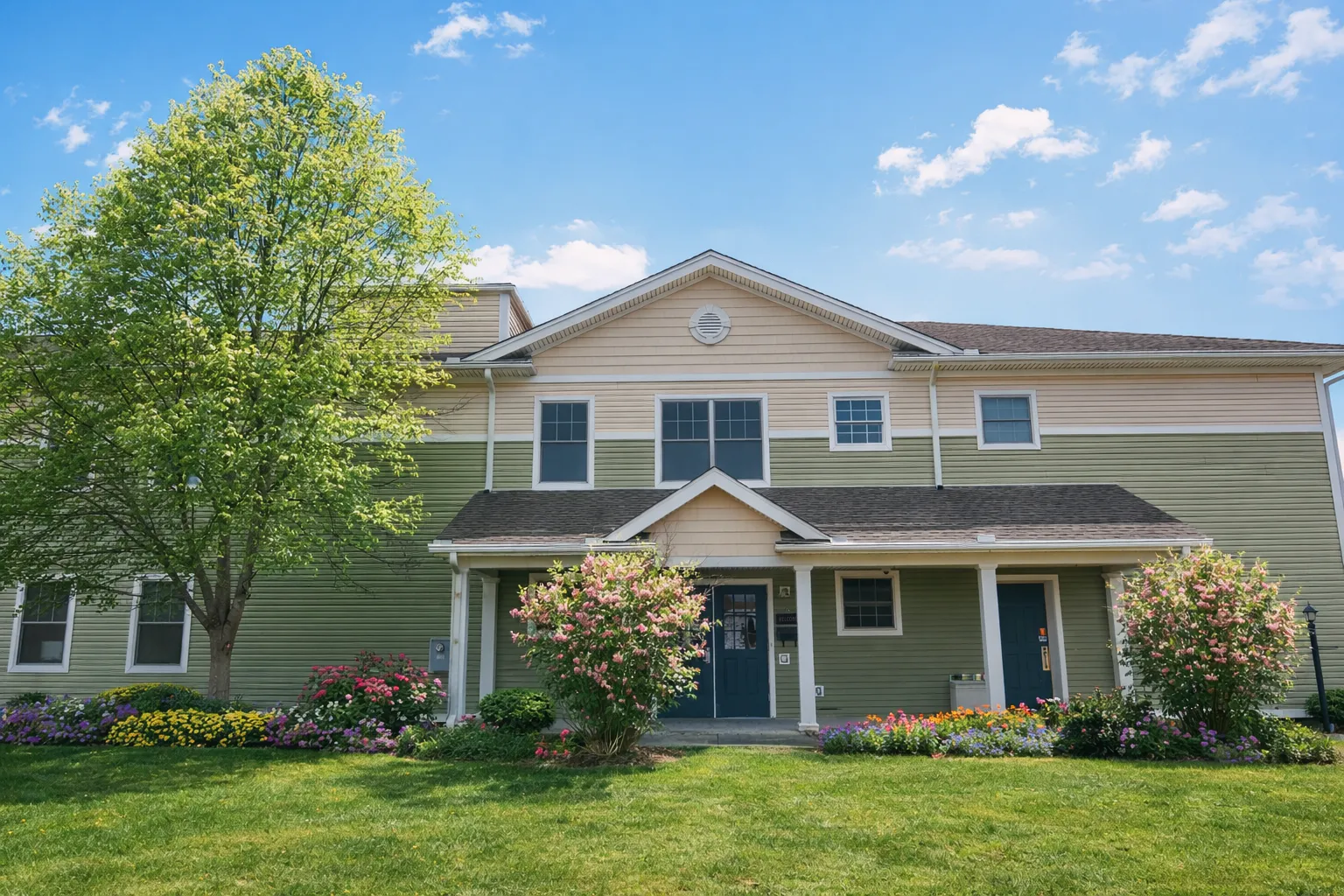
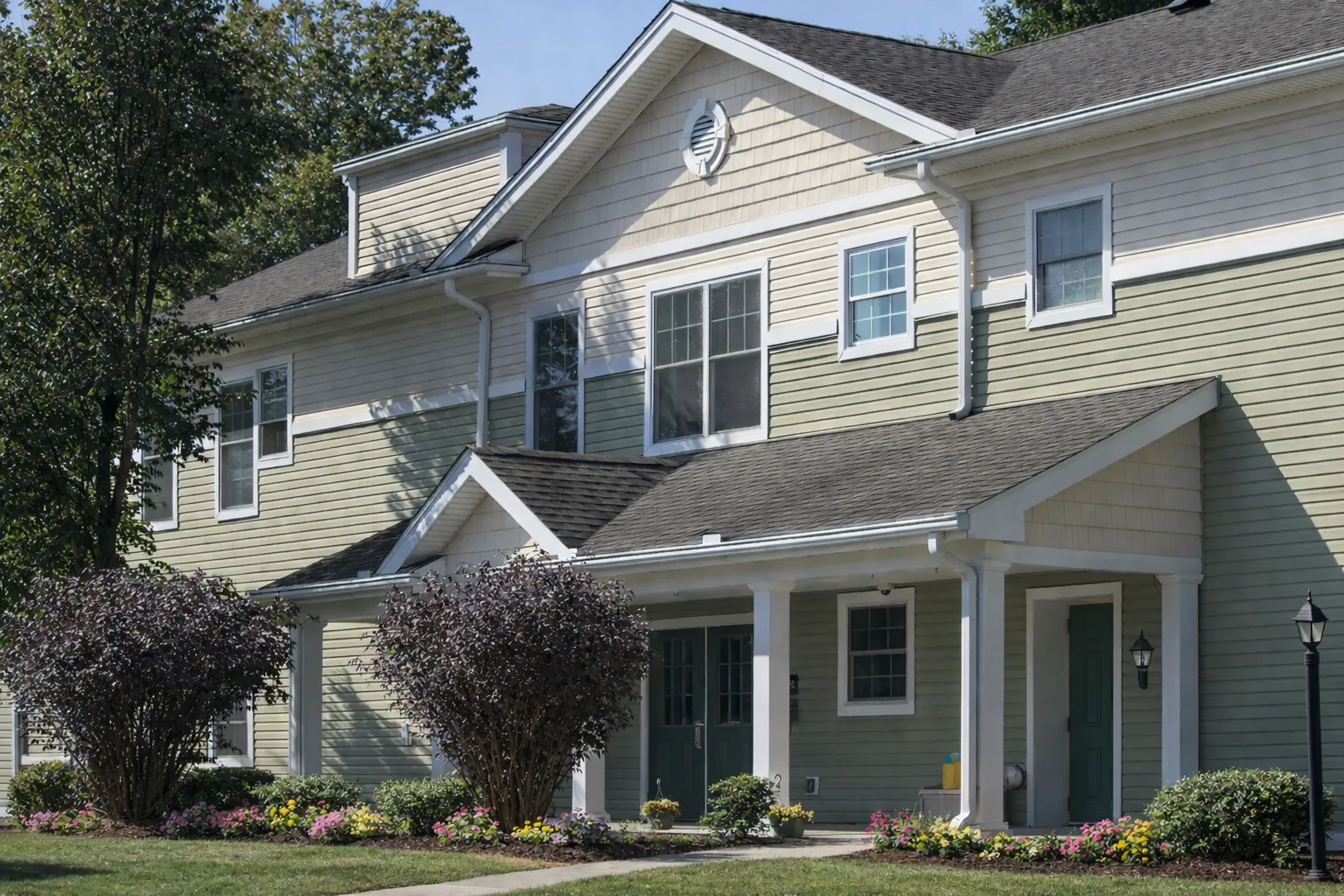
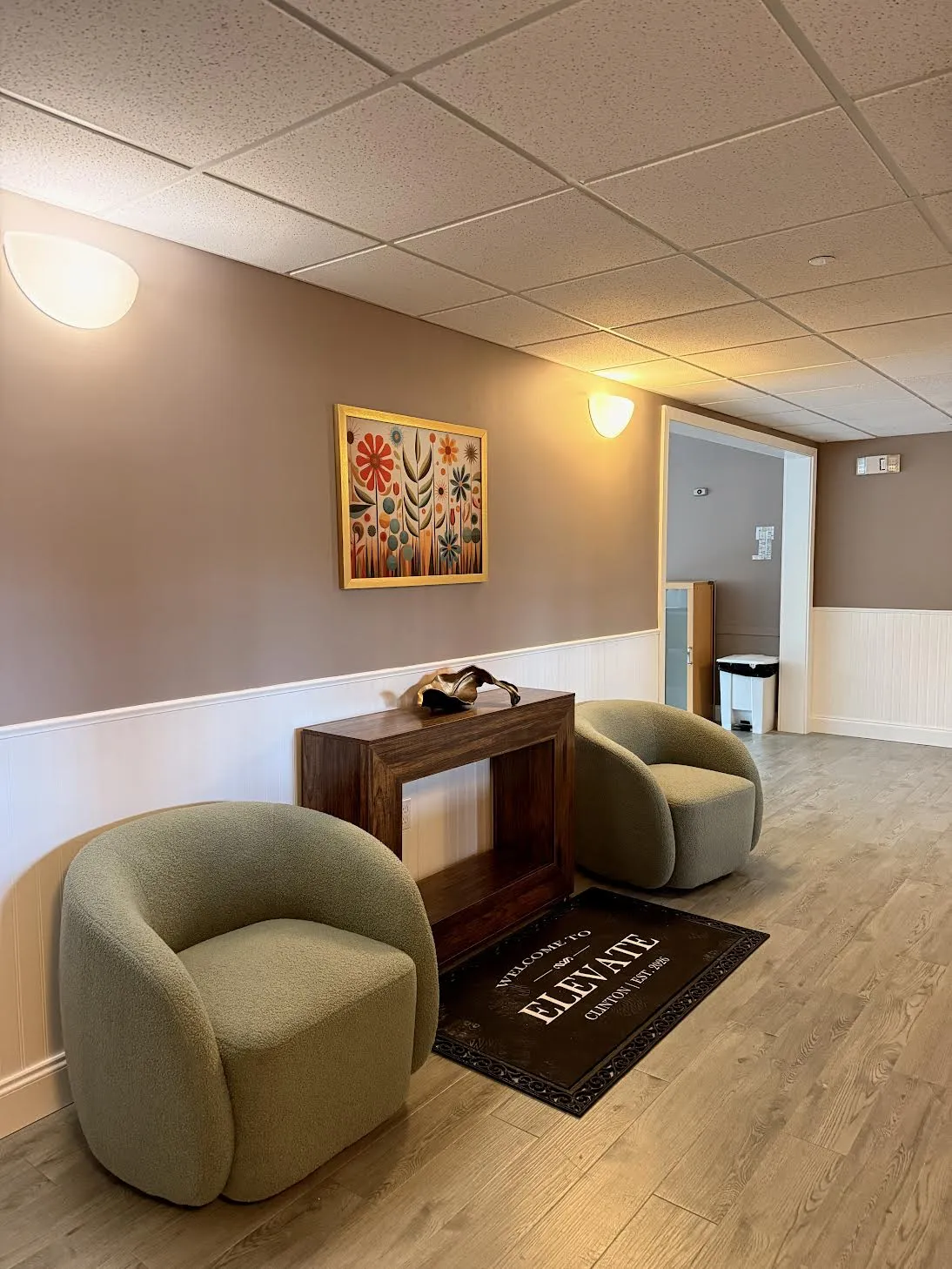
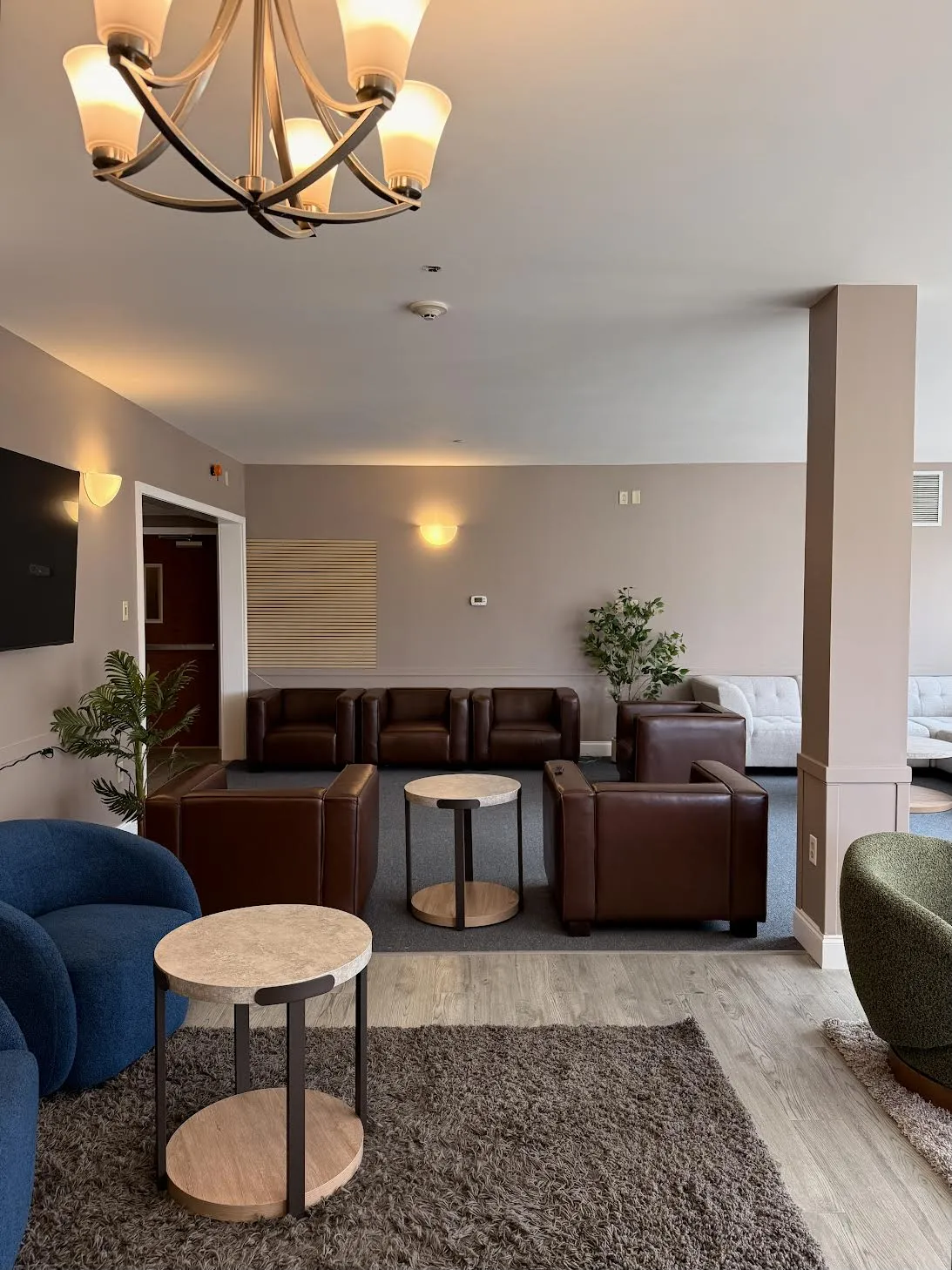
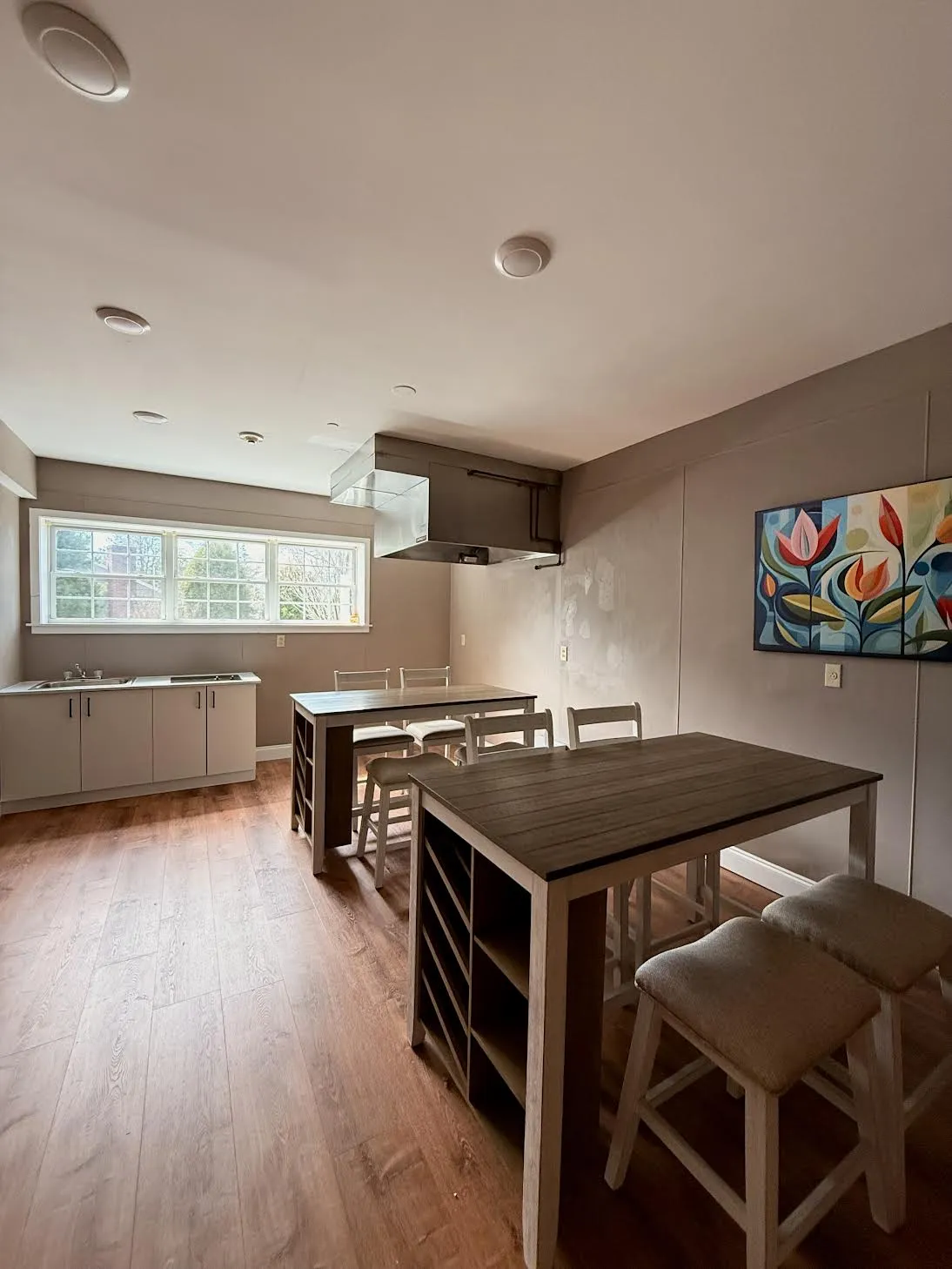
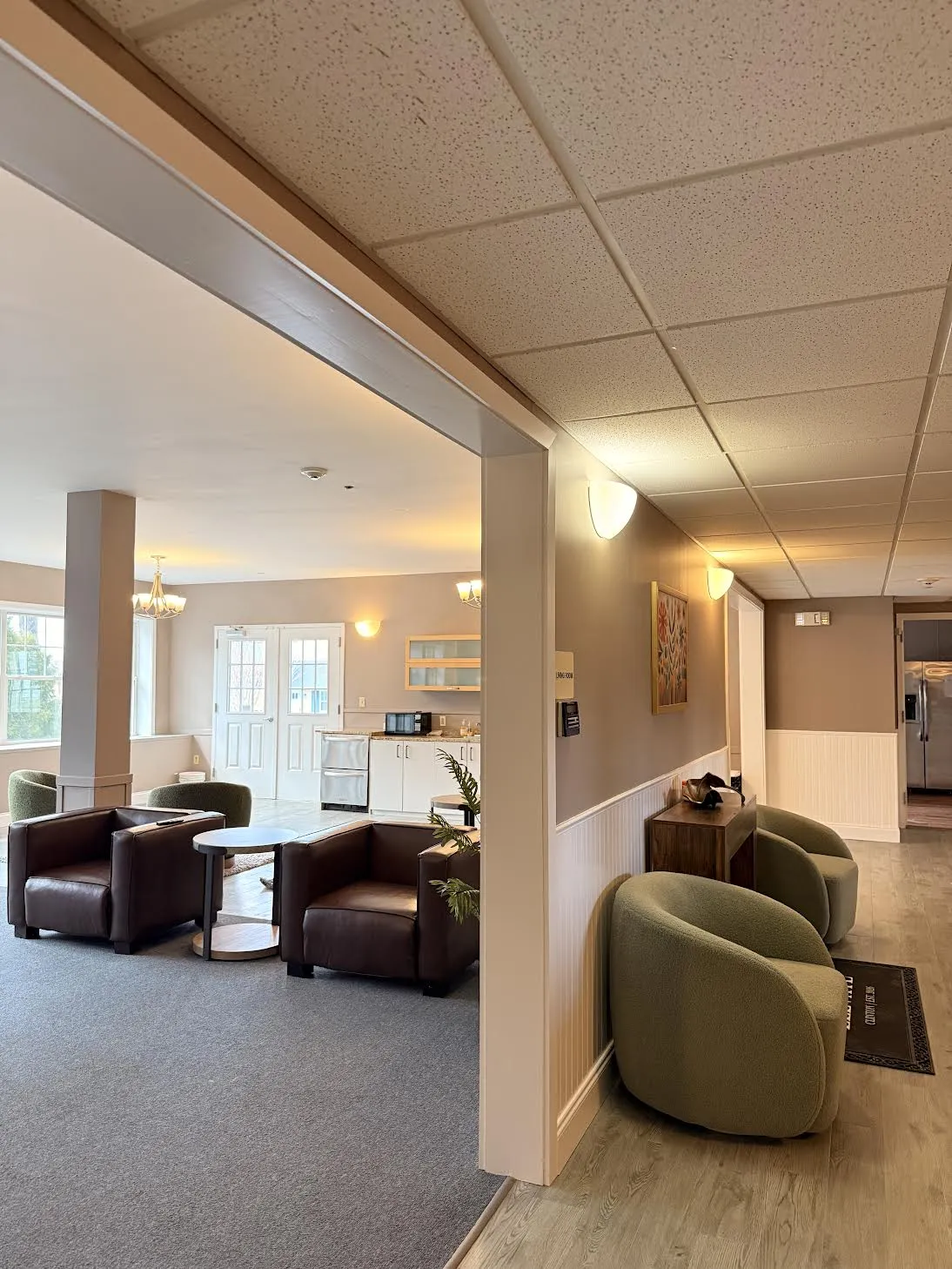
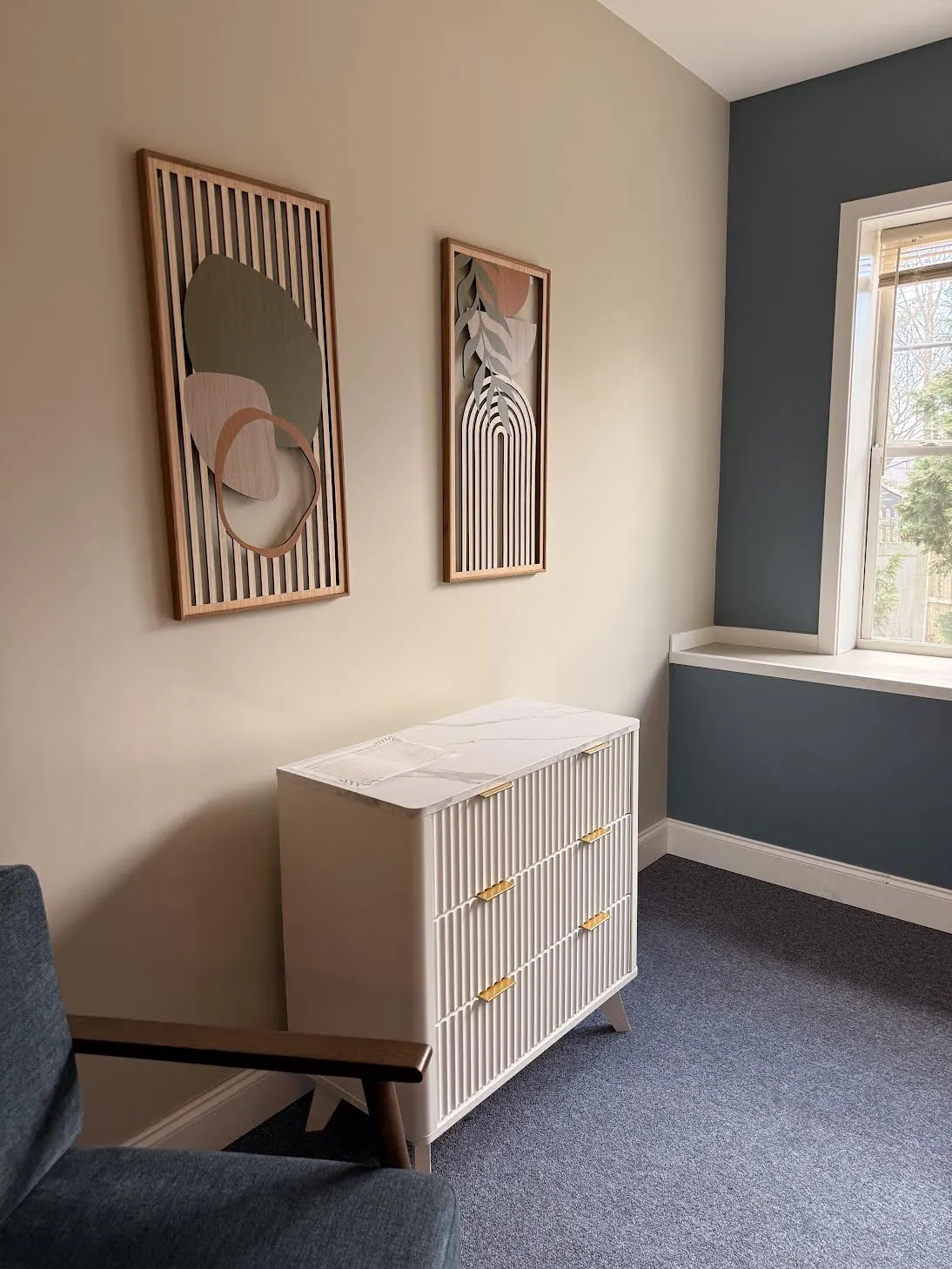
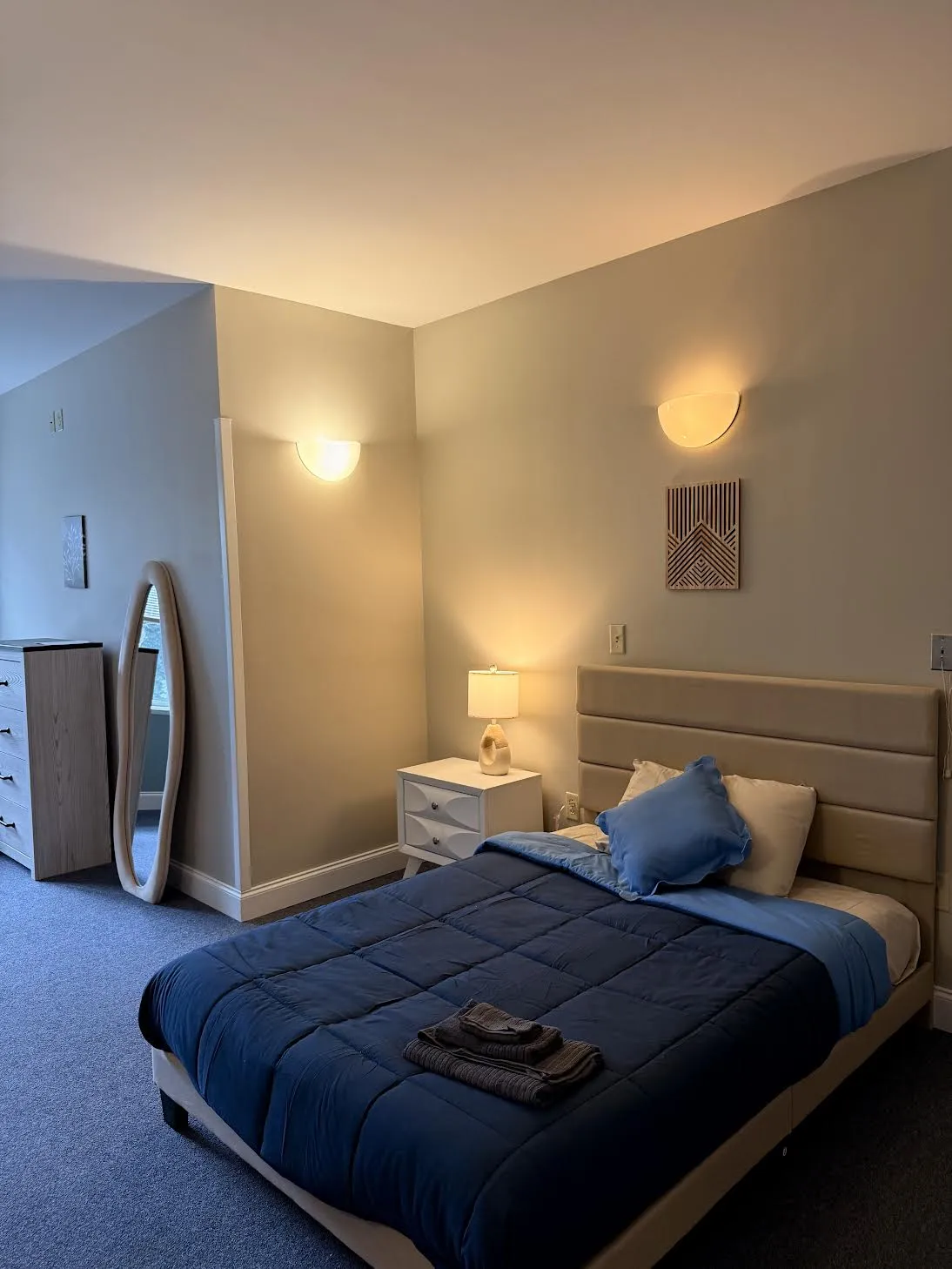
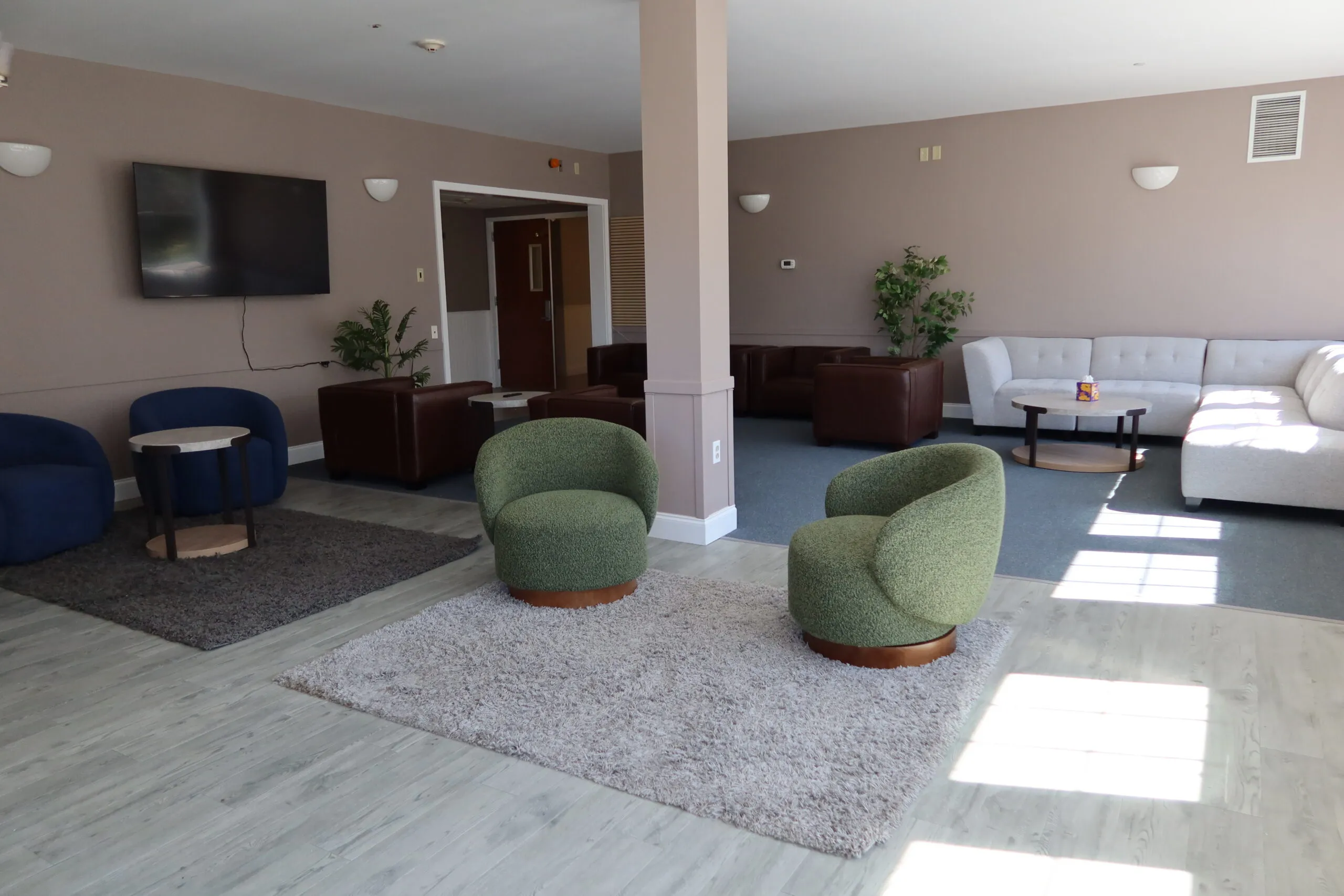
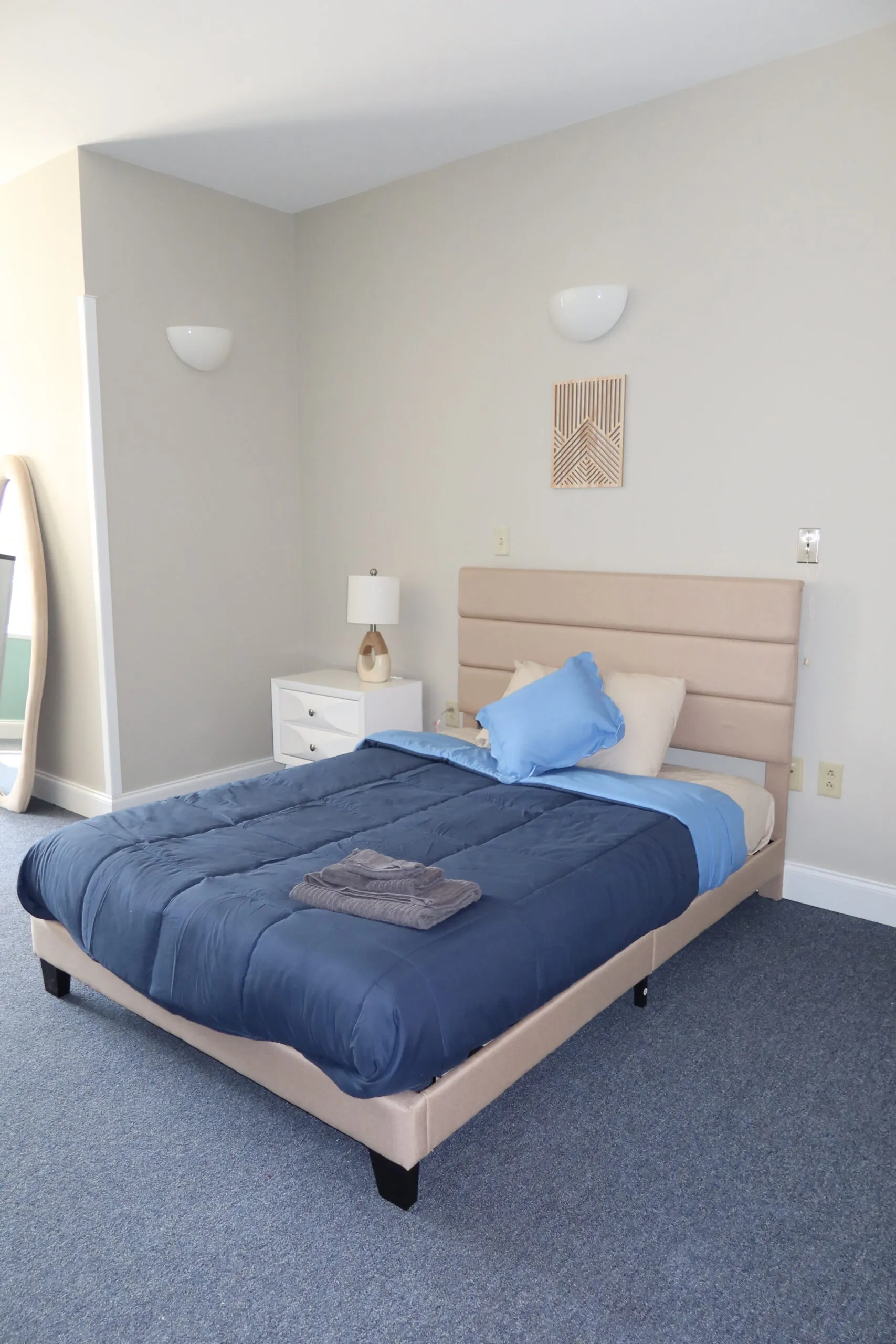
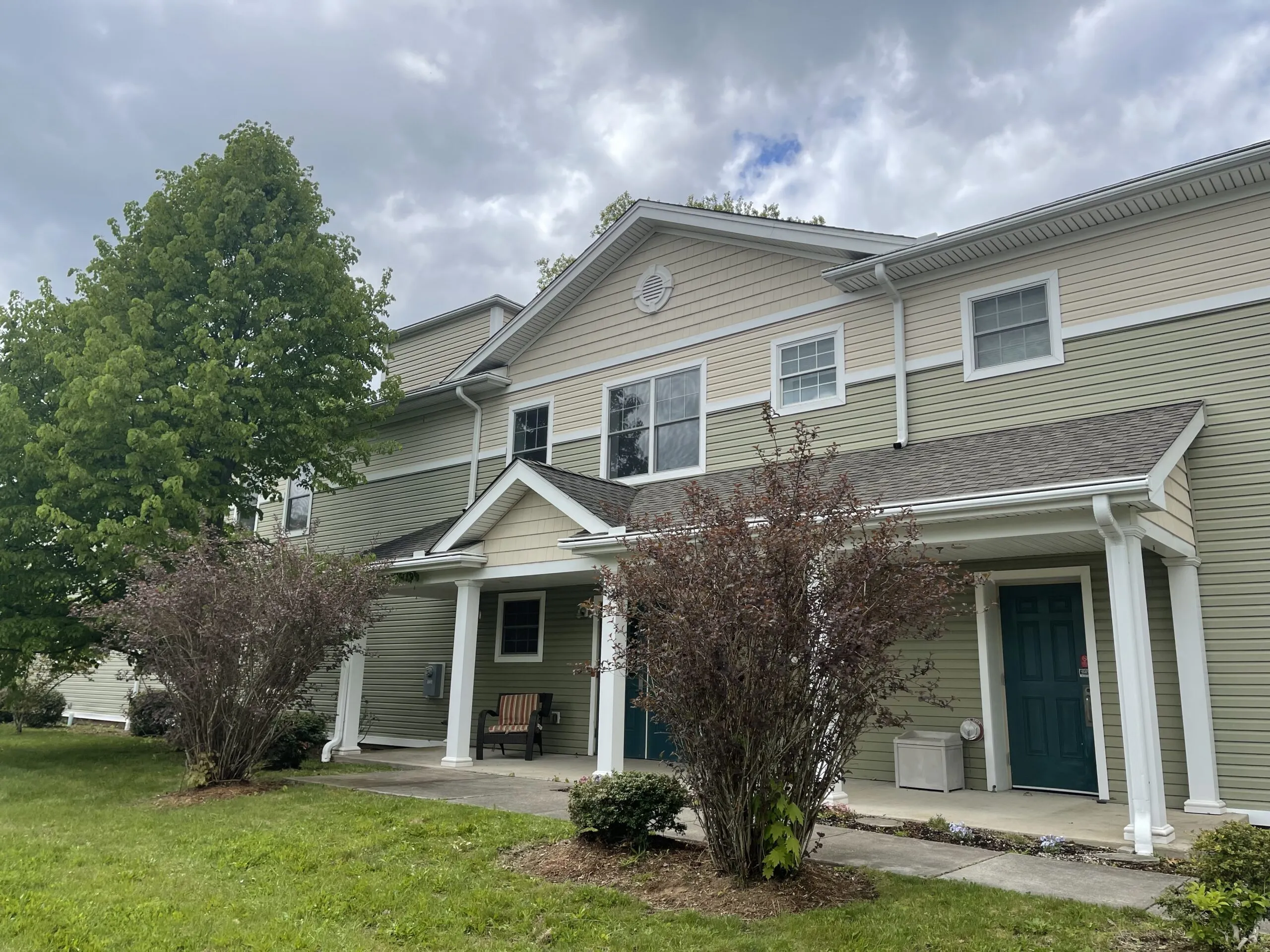
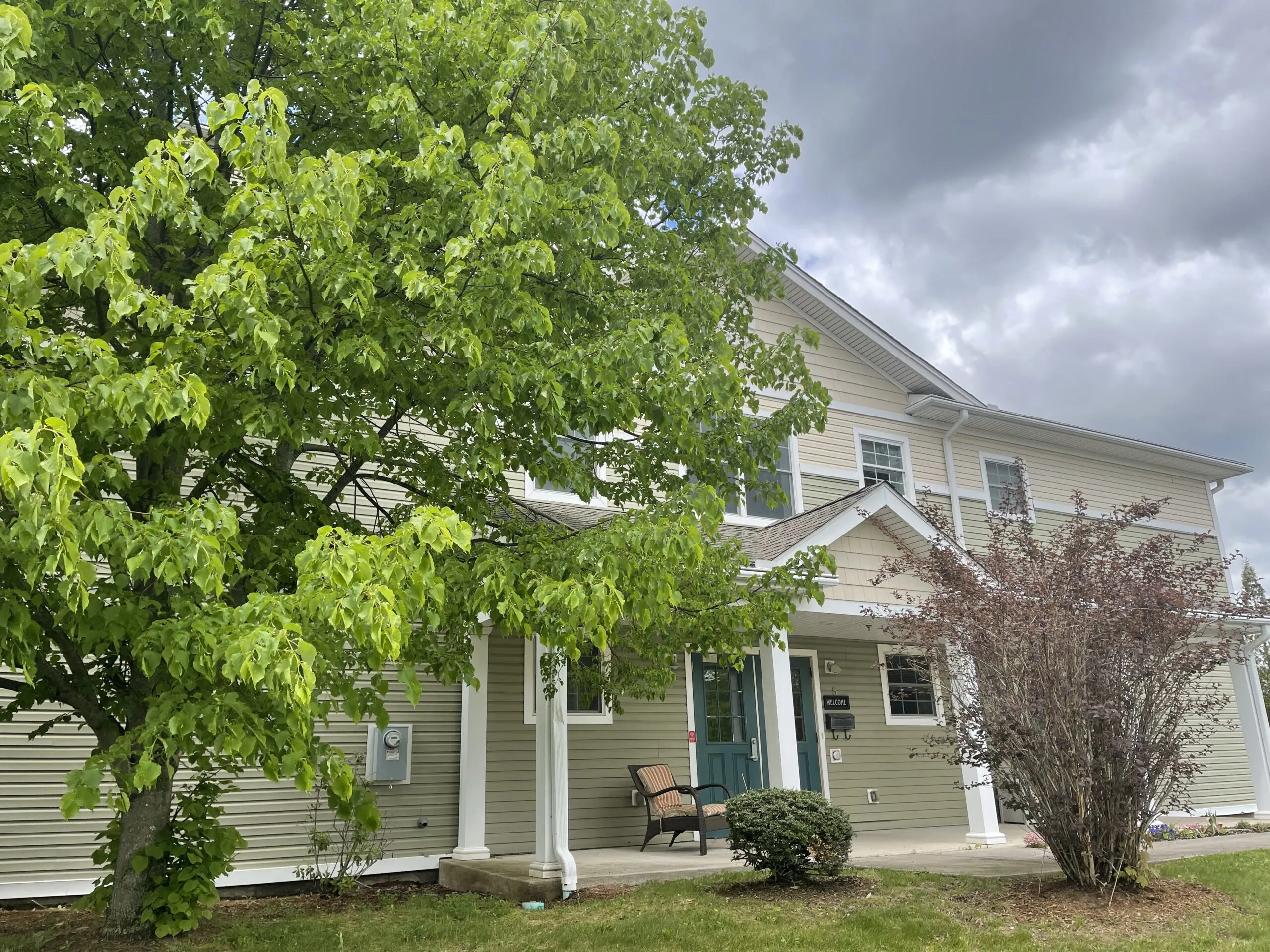
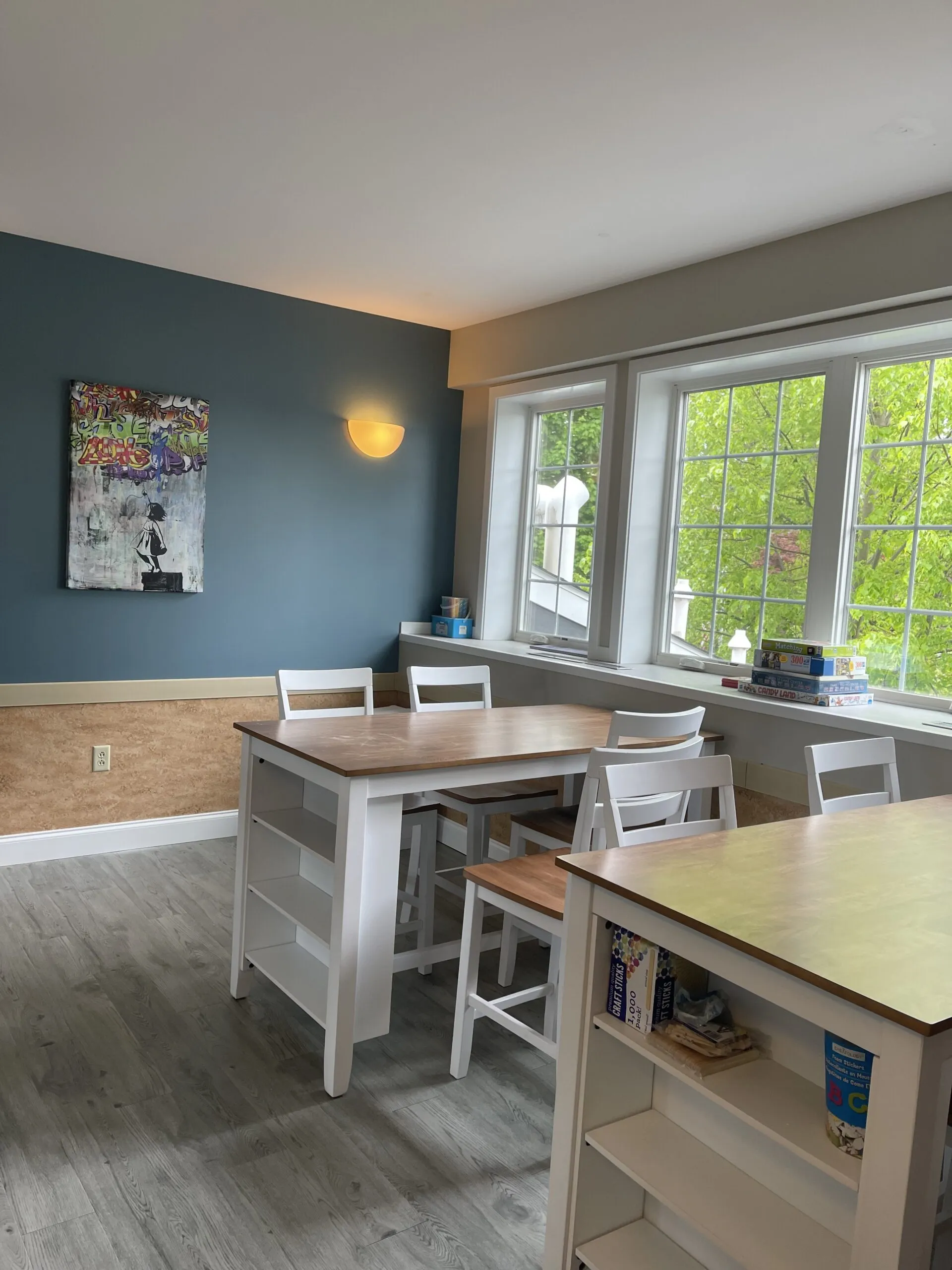
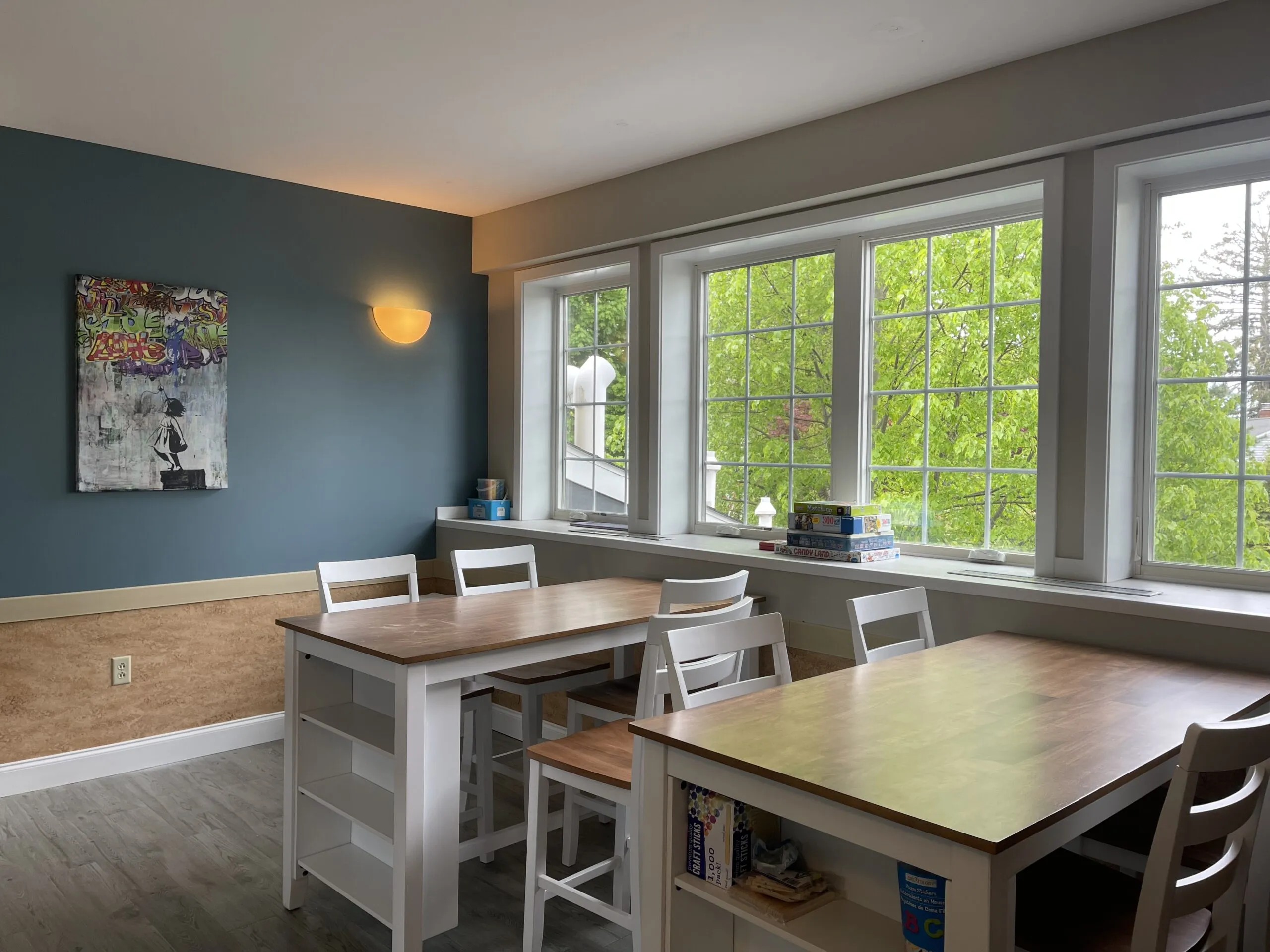
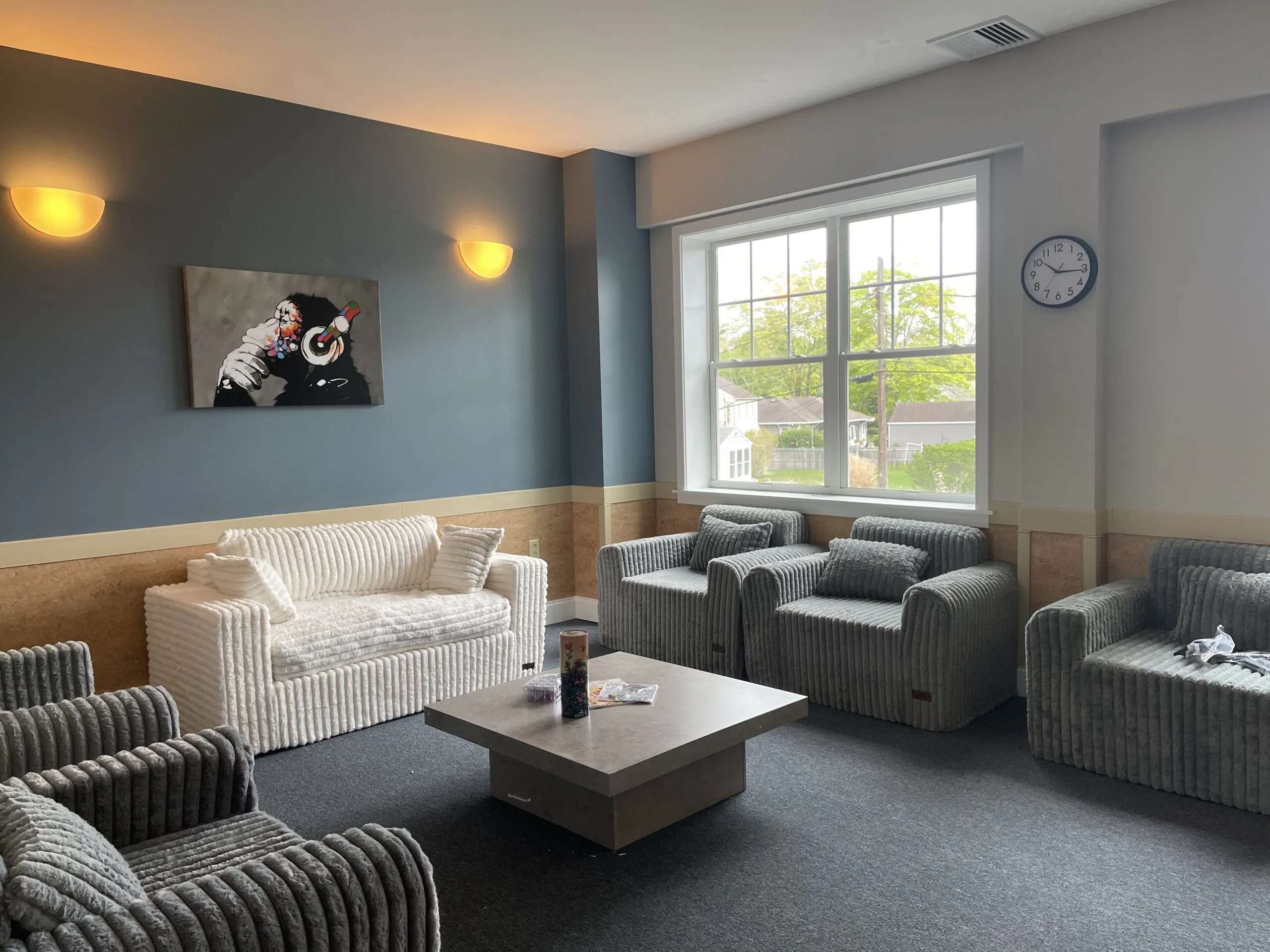
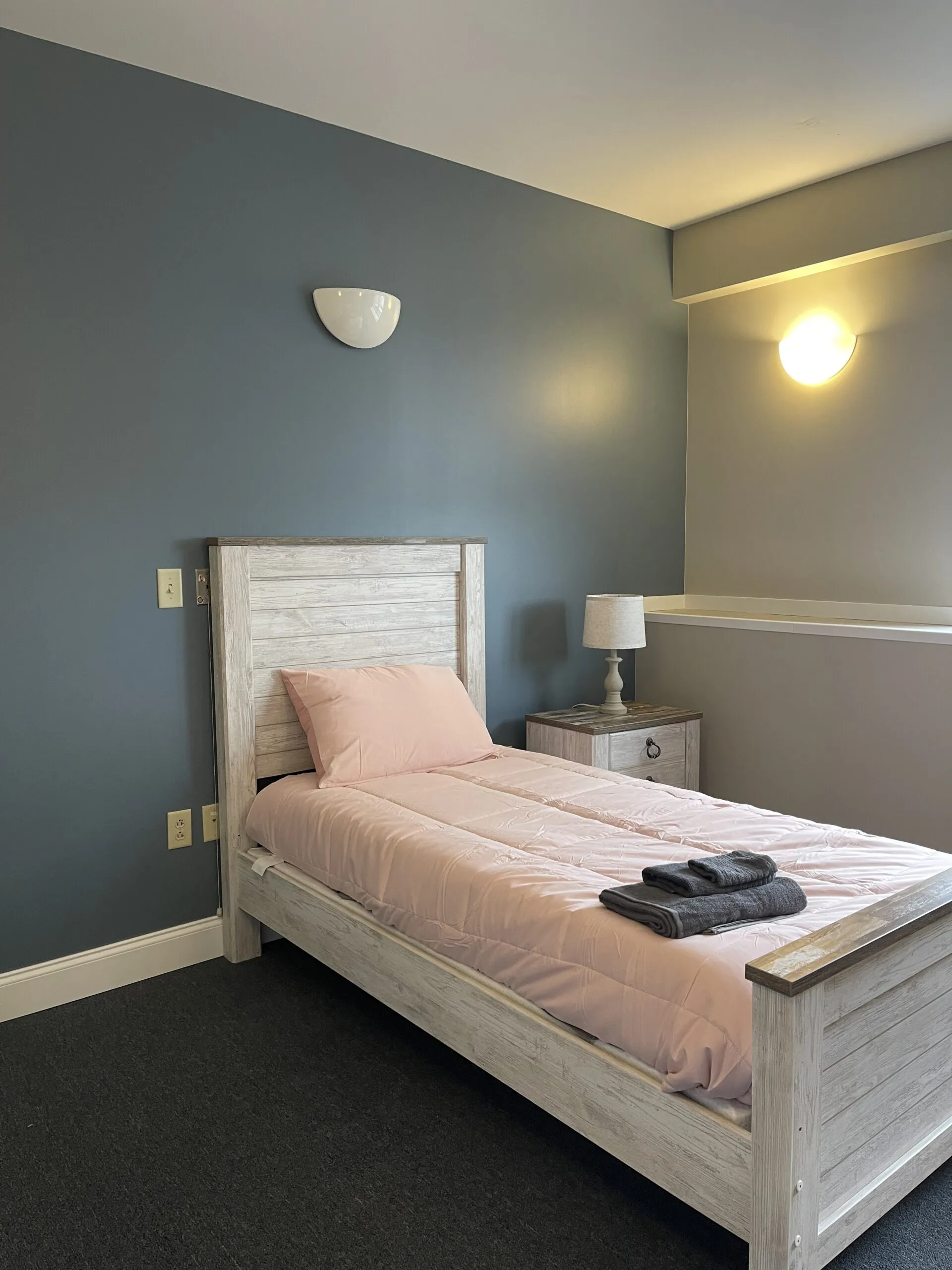
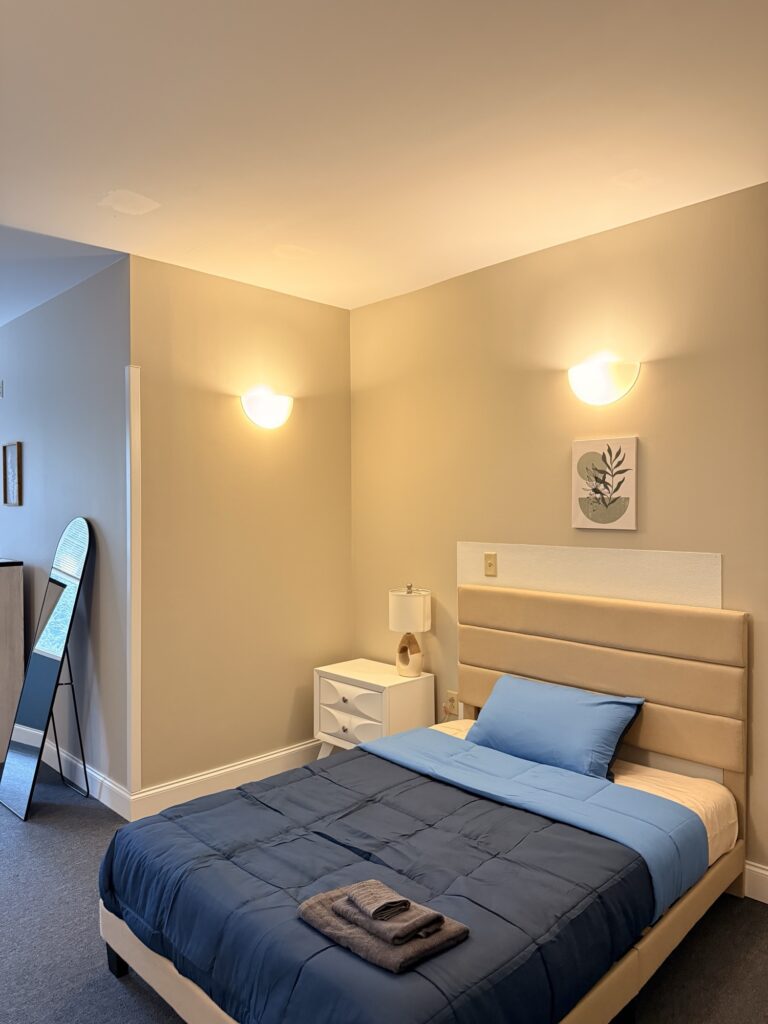
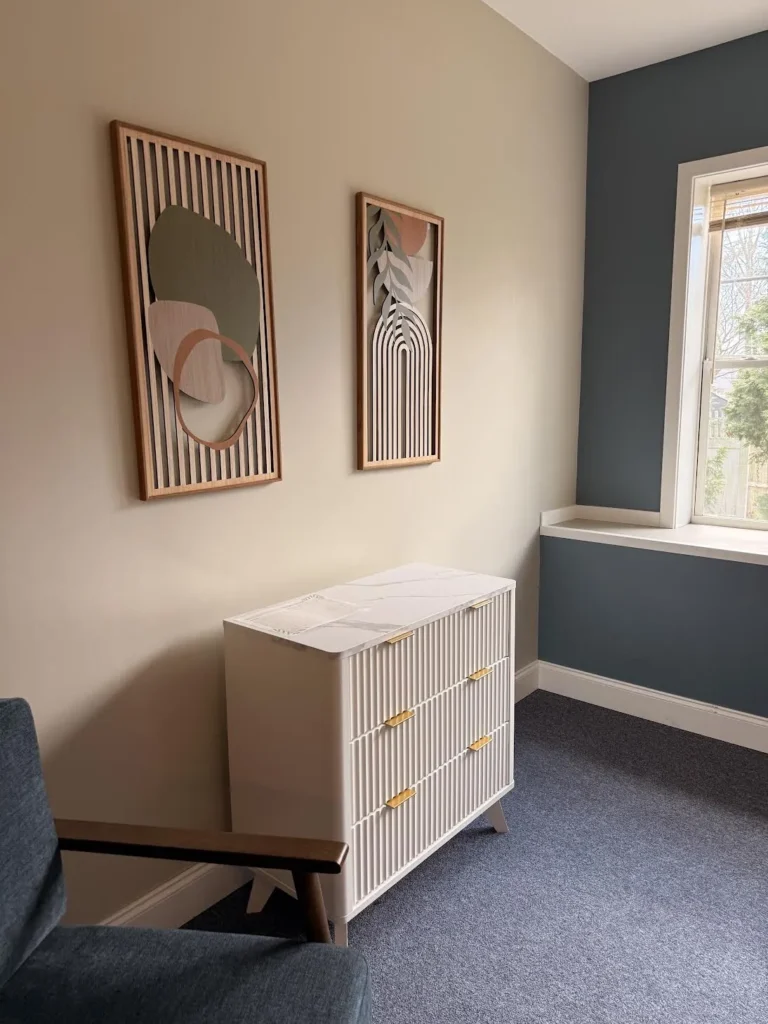
At our Clinton, CT location, days are calm and purposeful. Mornings, afternoons, and evenings each include scheduled therapeutic programming, with time built in for rest and connection. Meals are provided. The setting is home-like, not institutional.
The program is all-female. Women live, attend therapy, and share daily space with other women only. Research consistently shows this improves comfort, disclosure, and treatment engagement for women navigating mental health challenges. Our Clinton, CT location sits in a coastal community, and many women enjoy walking down to the nearby marina during their stay for fresh air and gentle exercise.
Family Involvement and Support
When clinically appropriate, family or other trusted support people may be involved in treatment through family therapy, education, and discharge planning. Your treatment team will work with you to determine who should be involved based on your individual needs and support system.
Our goal is to help prepare the people who will be supporting you after treatment, making the transition home smoother and helping you maintain the progress you’ve made during your stay.
Admissions Process
Our admissions team is available to answer your questions, verify your insurance, and help you understand whether this program is the right fit.
Step 1: Call or submit an inquiry.
Reach our admissions team at (203) 450-4882 or email our director at jhrbek@elevatehwct.com. You can also submit a request online.
Step 2: Confidential clinical assessment.
We will conduct a clinical assessment to understand your current situation, history, and needs, and confirm that residential treatment is the appropriate level of care.
Step 3: Insurance verification.
Our team will review your benefits and walk you through your coverage and financial options.
Step 4: Intake and admission.
Once everything is confirmed, we will coordinate your arrival and guide you through intake step by step.
Insurance and Payment Information
Our Women’s Residential Mental Health Program is currently in-network with the following insurance providers for residential-level mental health treatment:
Anthem, Aetna, Connecticare, Optum, OptumHealth, Oxford, UMR, UnitedHealthcare, United Behavioral Health.









At this time, we remain out-of-network with other insurance carriers while additional credentialing is in process. We will continue updating this page as new insurance contracts become active.
Our outpatient programs are in-network with:
- Most commercial insurance plans
- Connecticut Medicaid (Husky)
These outpatient services include:
- Intensive Outpatient Programs (IOP)
- Therapy services
- Medication management
- Outpatient detox
Insurance benefits and coverage vary based on your individual plan and clinical needs. We encourage you to contact our admissions team so we can verify your benefits, discuss your coverage, and help you understand your financial options for care.
Ready to Take the First Step?
Admissions begins with a confidential clinical assessment. Our team will work with you to determine if this program is the right fit and guide you through every step of the intake process.
Questions about Out of Network Benefits Coverage? Contact our Billing Department at 475-673-1007 or billing@elevatehwct.com
Apply for Care Credit


FAQs
What is the difference between residential treatment and inpatient hospitalization?
Inpatient psychiatric hospitalization is short-term, typically a few days, focused on acute safety and stabilization. Residential mental health treatment is longer, typically 30 to 45 days, and focused on deeper therapeutic work in a structured, supportive environment. It is appropriate for people who need more than outpatient care but are not in immediate psychiatric crisis.
Who is this program for?
Adult women experiencing significant mental health challenges including depression, anxiety, trauma, mood disorders, personality disorders, and co-occurring substance use who need a higher level of structured care than outpatient or IOP can provide.
Is the program only for women?
Yes. The residential program is exclusively for adult women. This includes all therapeutic programming, shared living spaces, and group therapy.
How long is the program?
Typically 30 to 45 days. Length of stay is determined by your clinical team based on your individual progress and treatment goals. If your clinical team feels a longer course of treatment would be beneficial, you will be part of that decision.
What happens after residential treatment?
Women can transition directly into Elevate’s IOP, individual therapy, or medication management without starting over with a new provider. Step-down planning begins well before discharge.
What insurance do you accept?
We are currently in-network with Anthem Blue Cross and Blue Shield for residential treatment. Our outpatient programs accept most major insurance plans and Connecticut Medicaid. Call our admissions team to verify your specific coverage.
How do I know if residential treatment is the right level of care?
If outpatient care or IOP has not been enough, or if your symptoms are significantly interfering with daily functioning, residential treatment may be appropriate. Our admissions team can help assess this through a confidential conversation with no obligation.
Can I speak with someone before making a decision?
Yes. Call (203) 450-4882 or email admissions@elevatehwct.com. Our team is here to answer your questions and help you figure out the right next step.